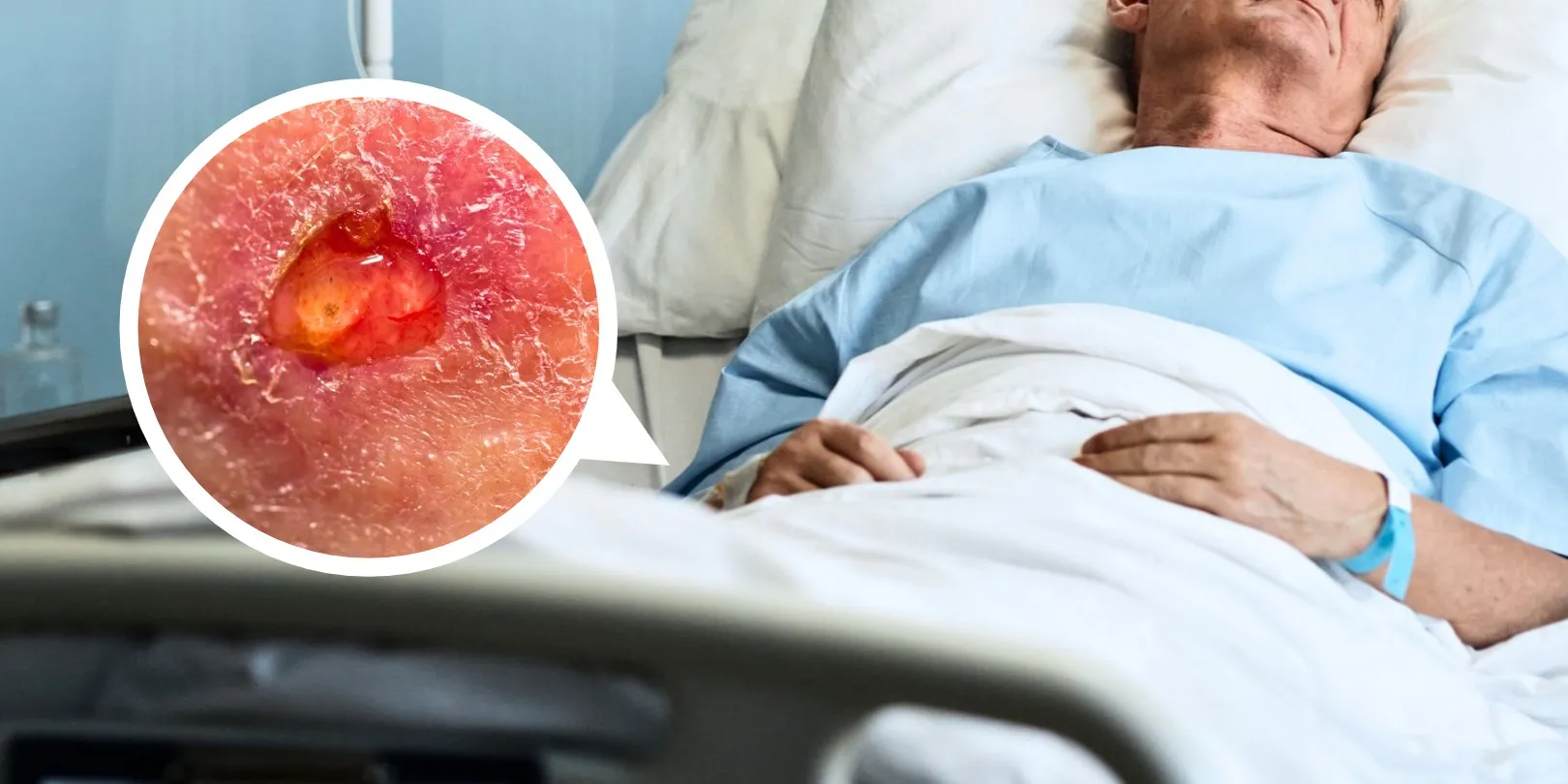

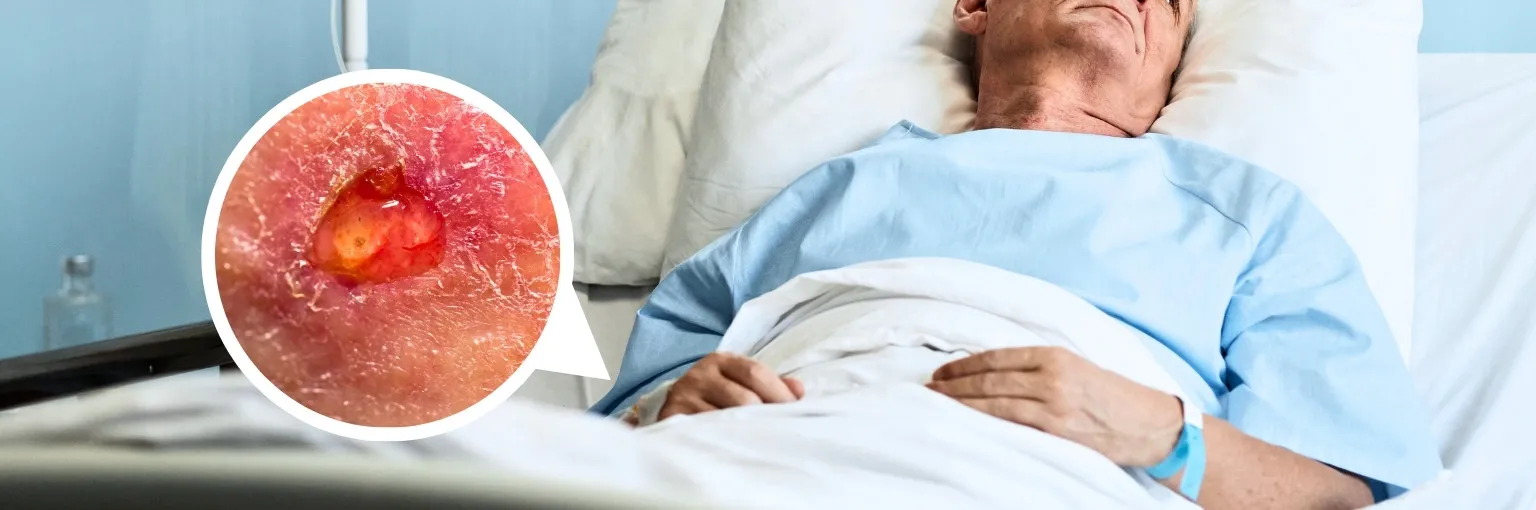
At BMEC, pressure injury prevention has been a key focus of our wound care solutions, particularly through pressure-relieving mattresses and support surfaces that help reduce prolonged pressure on vulnerable areas. However, some patients may already have developed pressure injuries before receiving appropriate support. In these situations, care must extend beyond prevention to include accurate wound assessment, appropriate treatment and ongoing monitoring.
Early recognition allows healthcare professionals to identify tissue damage and respond before the condition worsens. Changes in skin colour, temperature, texture or integrity may indicate developing pressure injuries, while more advanced wounds can involve damage to deeper tissues. Regular skin assessment, pressure redistribution and timely intervention are therefore essential for both preventing new injuries and supporting the management of existing wounds.
What Are the Different Stages of Pressure Injuries?
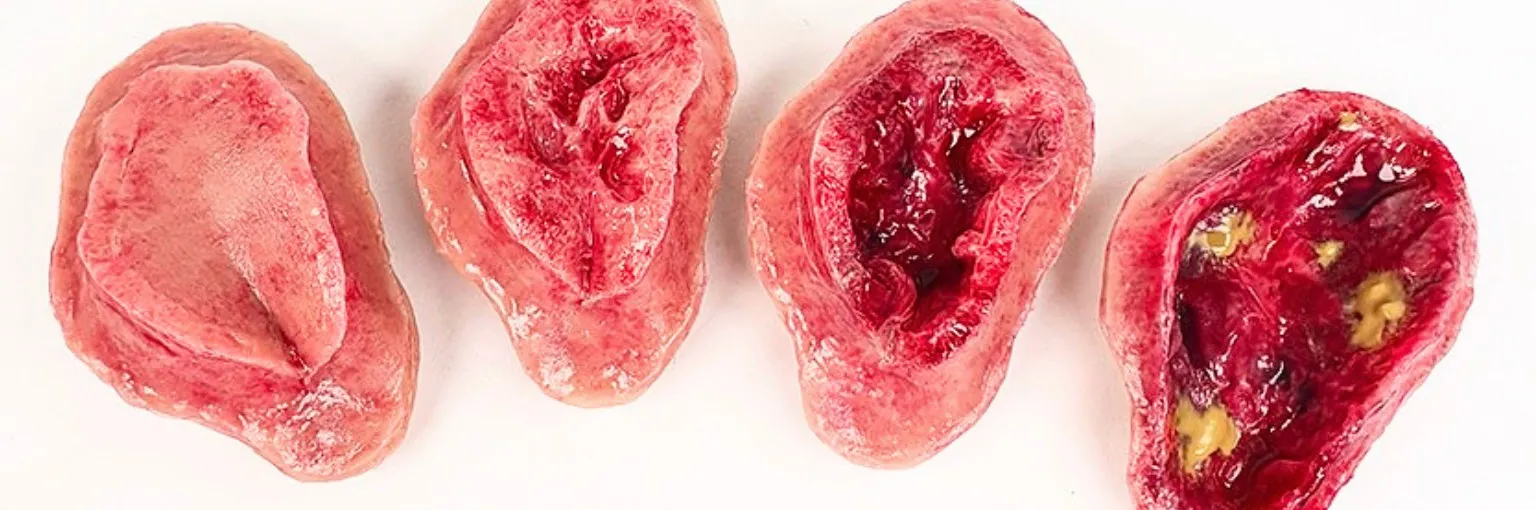
Pressure injuries are commonly classified into four stages according to the extent of tissue damage. Stage 1 involves intact skin with persistent, non-blanchable discolouration, while Stage 2 involves partial-thickness skin loss, which may appear as a shallow open wound or blister. Stage 3 refers to full-thickness skin loss, where underlying fatty tissue may become visible, while Stage 4 involves more extensive tissue damage with exposed or directly palpable deeper structures such as muscle, tendon or bone. Additional classifications include unstageable pressure injuries, where the extent of tissue damage is obscured, and deep tissue pressure injuries.
Accurate staging helps healthcare professionals understand the severity of the wound and select appropriate management approaches. However, pressure injuries do not necessarily progress sequentially through all four stages, and healing wounds should not be classified backwards through the stages. Recognising the different tissue characteristics is therefore important for documenting wound conditions, communicating clinical findings and monitoring healing progress.
How Can Proper Wound Care Support Recovery?
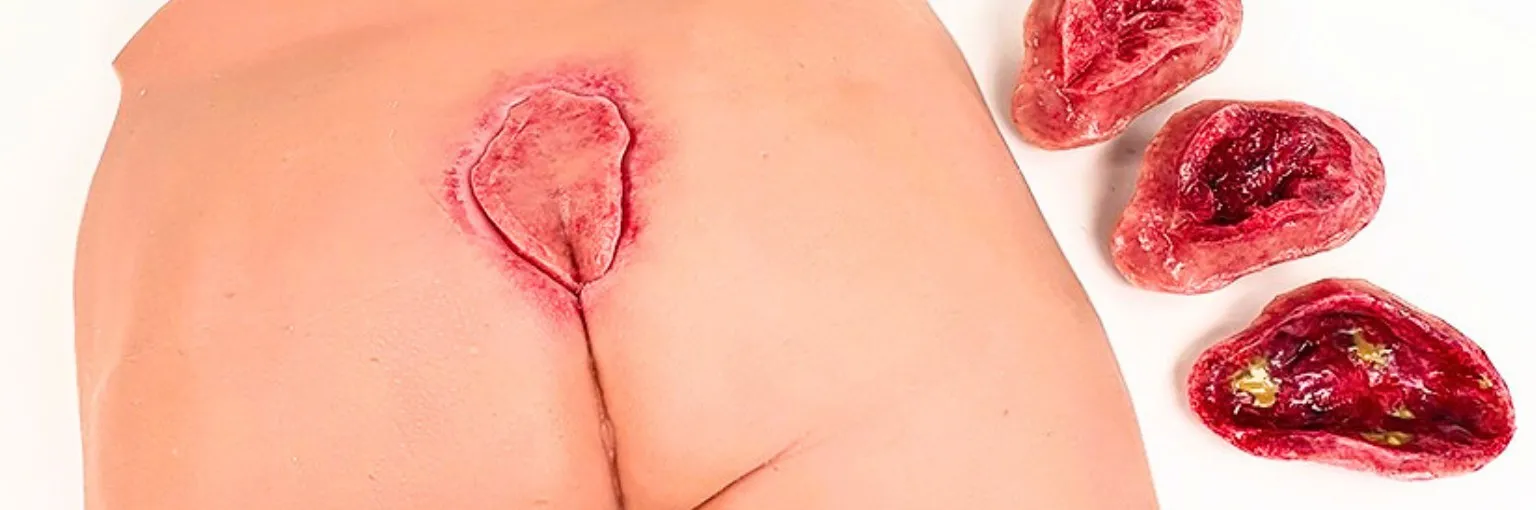
Managing an existing pressure injury requires an individualised approach based on wound severity, patient condition and healing progress. Pressure relief remains essential, but treatment may also involve wound cleansing, suitable dressings, moisture management, infection assessment and, where clinically indicated, removal of non-viable tissue. Nutritional support and regular wound evaluation are also important components of comprehensive care. Together, these measures help create conditions that support tissue healing while reducing the risk of further deterioration.
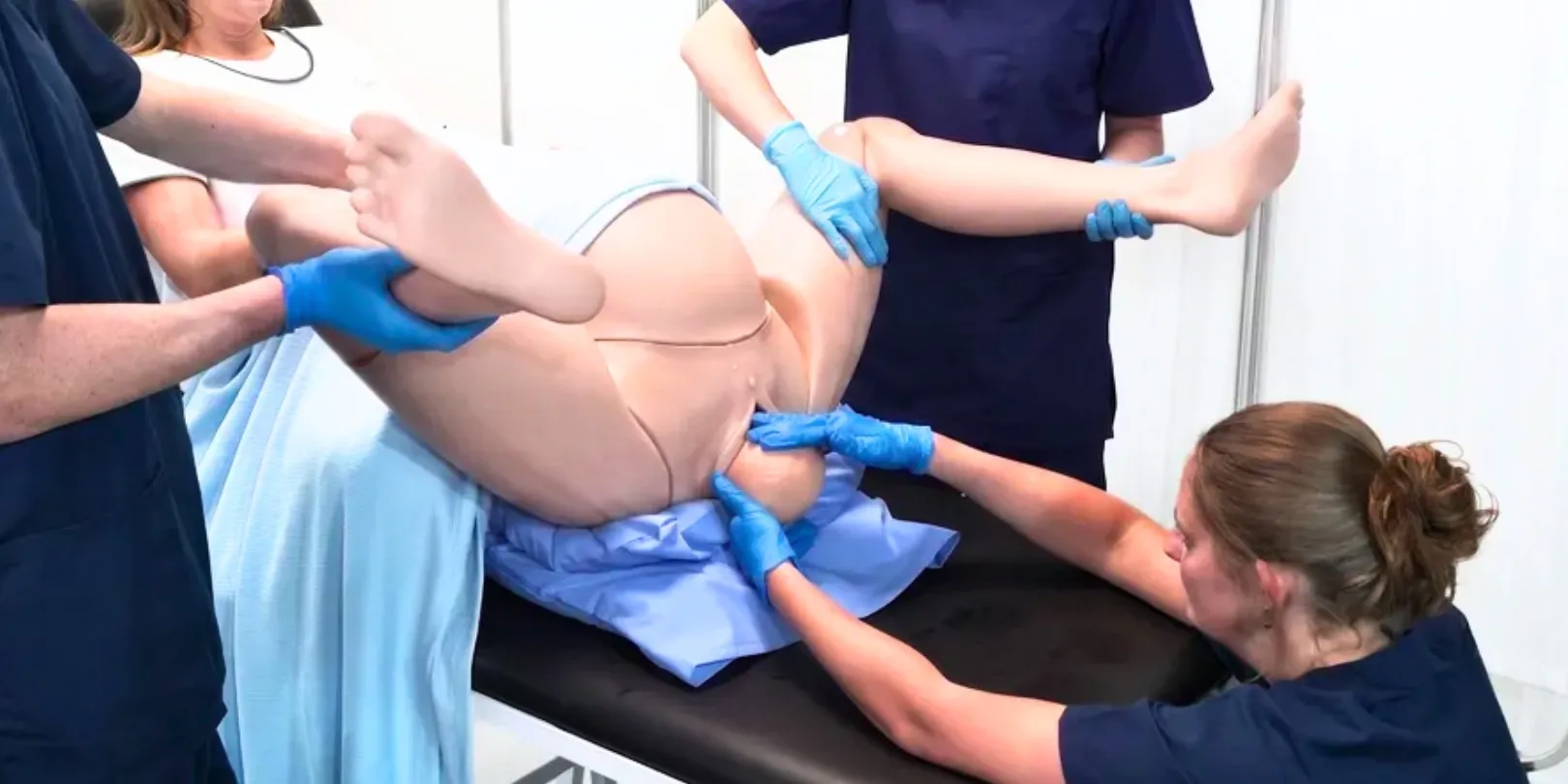
For healthcare professionals, developing practical wound assessment and treatment skills is an important part of delivering effective care. The SINI Decubitus Ulcer Trainer is designed to support education on the four stages of pressure injuries and their treatment procedures. Featuring an anatomically accurate buttock model with four interchangeable ulcer blocks, the trainer provides realistic soft-tissue response for hands-on practice. Its durable, reusable design allows learners to practise wound assessment, treatment techniques and patient education in a controlled training environment.
Learn more about Decubitus Ulcer Trainer from us: https://bmec.asia/sini/
Source
- SINI Medical Simulation. (n.d.). Decubitus Ulcer Trainer. SINI Medical Simulation. https://www.bysini.com/product/decubitus-ulcer-trainer/
- European Pressure Ulcer Advisory Panel (EPUAP), National Pressure Injury Advisory Panel (NPIAP), and Pan Pacific Pressure Injury Alliance (PPPIA). (2026). Prevention and Treatment of Pressure Ulcers/Injuries: Clinical Practice Guideline, Fourth Edition – Classification. https://www.internationalguideline.com/classification
- EPUAP, NPIAP, and PPPIA. (2026). Prevention and Treatment of Pressure Ulcers/Injuries: Clinical Practice Guideline, Fourth Edition – Repositioning. https://www.internationalguideline.com/repositioning
- National Institute for Health and Care Excellence (NICE). (2014). Pressure Ulcers: Prevention and Management (CG179). NICE. https://www.nice.org.uk/guidance/cg179/chapter/Recommendations