From buttoning a shirt to holding a spoon or turning a door handle, many everyday activities depend on precise movements of the hands and fingers. These abilities, known as fine motor skills, play an important role in personal care, communication and daily independence. When fine motor control is affected by injury, neurological conditions or ageing, even simple activities can become difficult. Rehabilitation therefore focuses on developing the coordination, dexterity and movement control needed to support meaningful everyday tasks.
How Do Fine Motor Skills Affect Everyday Independence?
Fine motor skills involve the coordinated movement of small muscles, particularly those in the hands and fingers. They allow individuals to perform precise actions such as writing, fastening buttons, using utensils and manipulating small objects. These tasks require a combination of finger flexibility, grip control, hand-eye coordination and sensory feedback.
When these abilities are impaired, individuals may experience difficulty performing activities of daily living independently. Reduced dexterity, muscle weakness or limited joint movement can affect how efficiently everyday tasks are completed. For people recovering from stroke, neurological injuries or musculoskeletal conditions, restoring fine motor function can therefore be an important part of rehabilitation and occupational therapy.
How Can Targeted Training Improve Fine Motor Function?
Fine motor rehabilitation involves exercises and activities designed to improve hand coordination, joint mobility, finger flexibility and movement precision. Training may include grasping, rotating, manipulating objects and performing controlled wrist or finger movements. By practising these actions repeatedly, individuals can work towards improving their ability to perform functional tasks.
Task-oriented training is particularly relevant because it connects rehabilitation exercises with movements used in everyday life. Activities that simulate handling objects, turning handles or coordinating hand movements can help patients practise skills relevant to daily independence. Rehabilitation programmes can also be adapted to an individual’s abilities, with exercises becoming progressively more challenging as movement control and functional performance improve.
How Can Technology Support Fine Motor Rehabilitation?
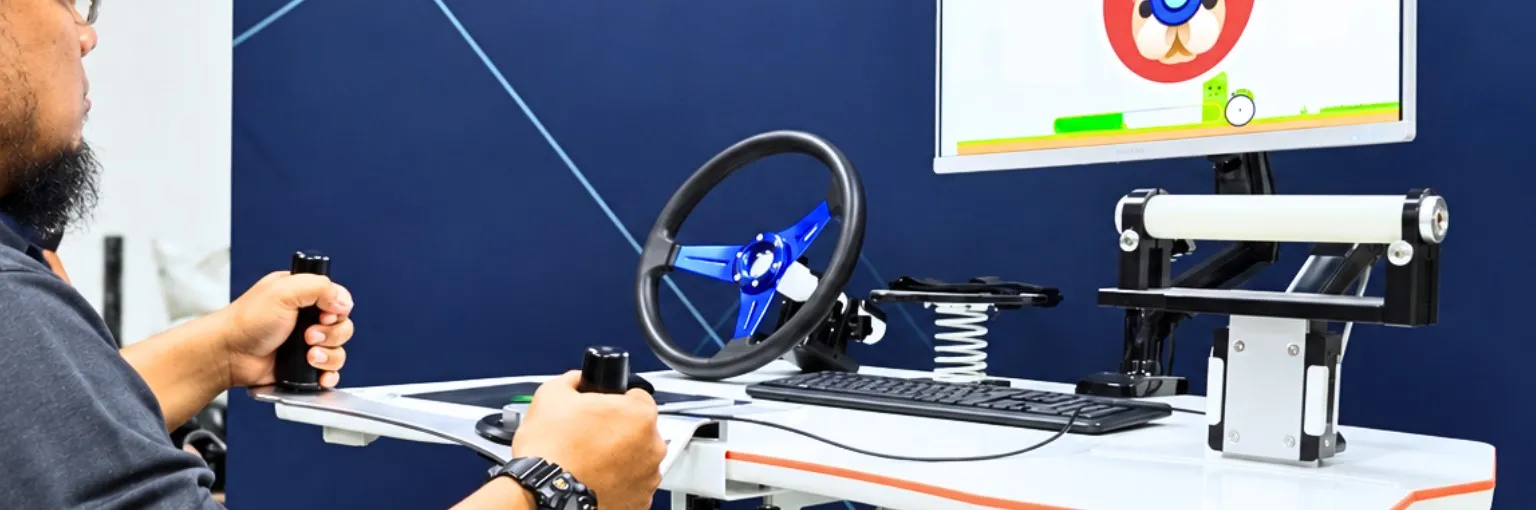
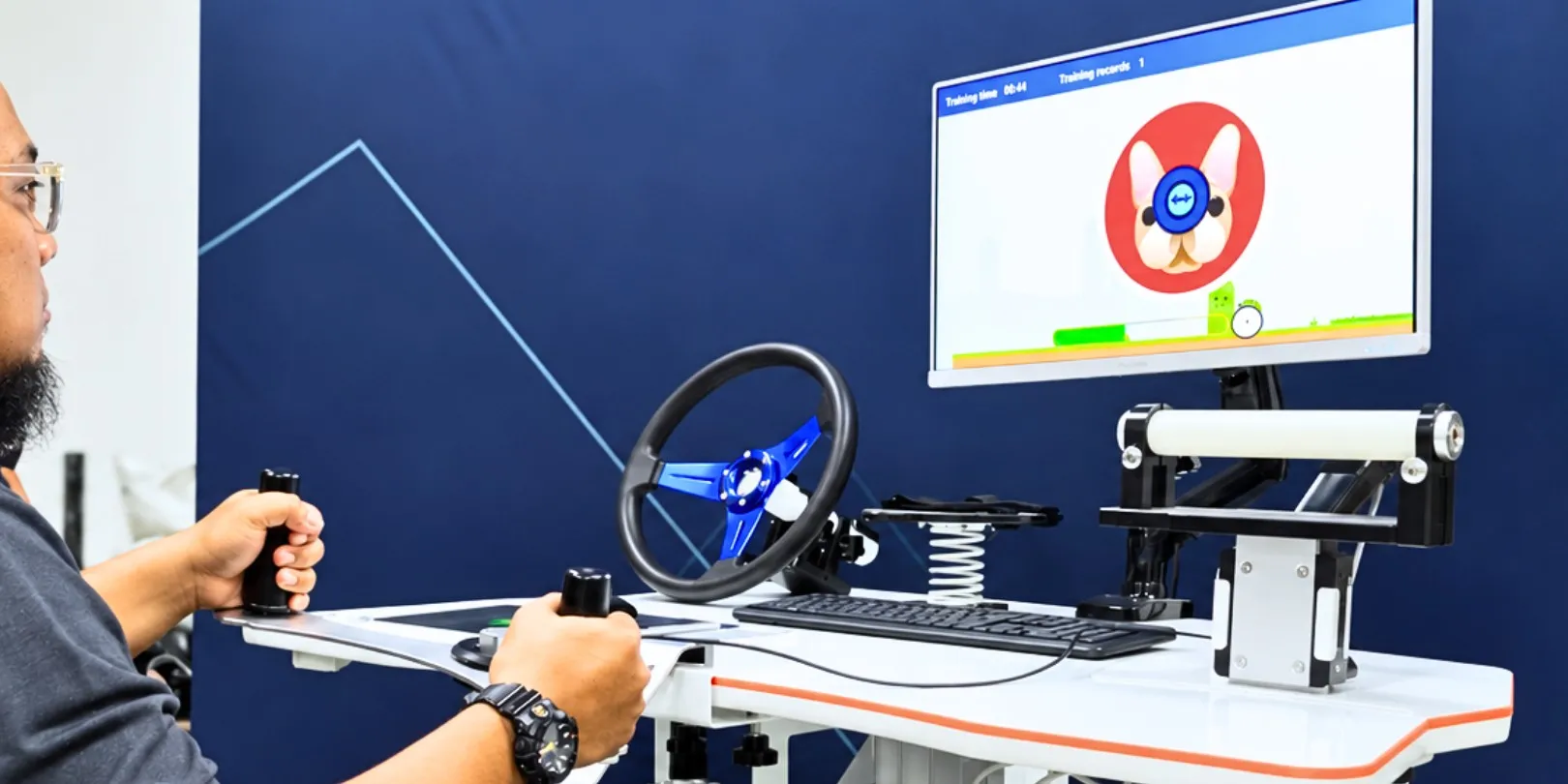
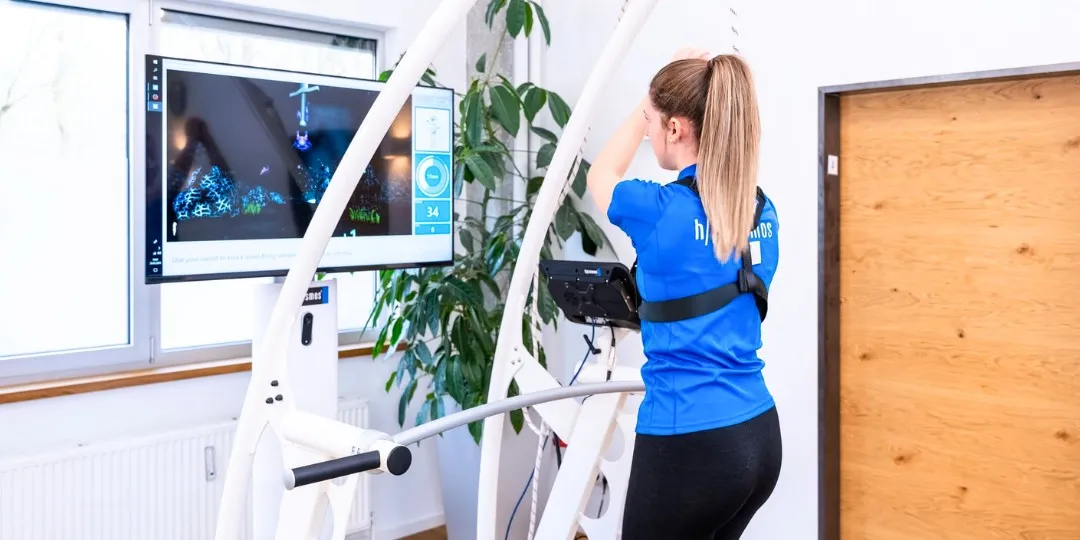
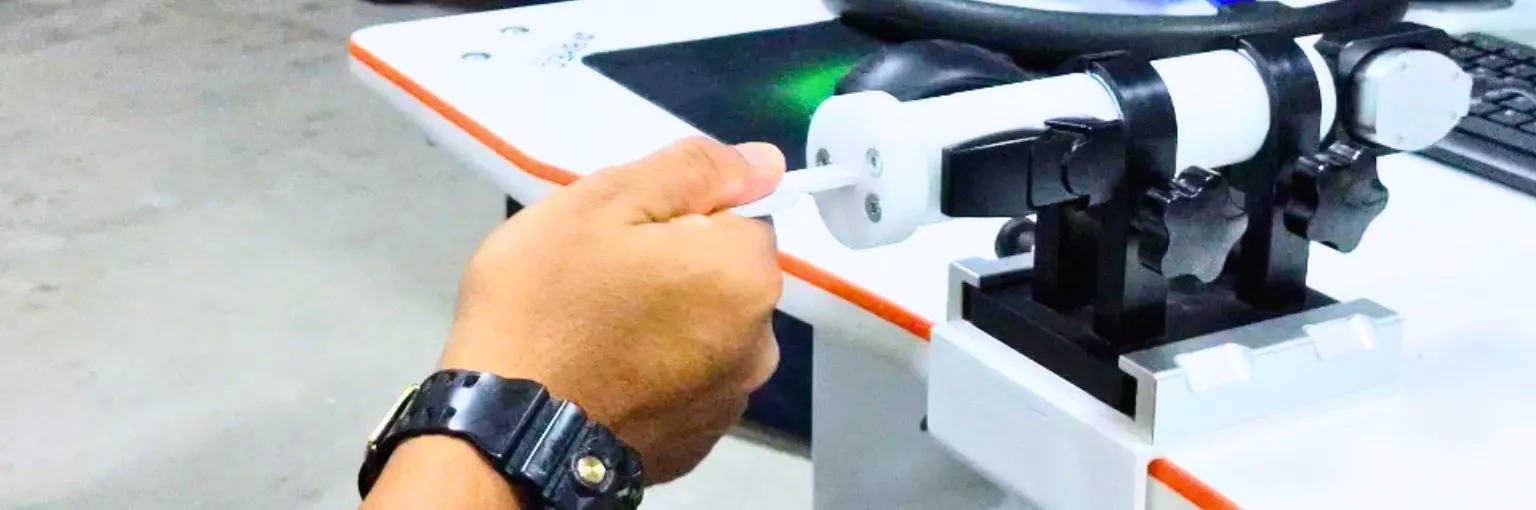
The BMEC SG3 Upper Limb & Cognitive Integration Training System combines functional assessment with interactive upper-limb rehabilitation. Designed to support both gross and fine motor training, it features interchangeable accessories that simulate movements such as turning door handles, rotating knobs and controlling hand movements. Its software supports activities involving hand-eye coordination, spatial awareness, sequencing and goal-oriented training, while automatically recording results for progress monitoring. The system also accommodates unilateral and bilateral training to address different rehabilitation needs.
By combining functional movement exercises with interactive training and assessment, SG3 offers healthcare professionals a flexible tool for supporting fine motor rehabilitation. Its adaptable training activities can help patients practise movements relevant to everyday tasks, contributing to rehabilitation programmes focused on improving functional ability and independence. Learn more about SG3 from our page: https://bmec.asia/bmec/
Source
- Brown University Health. (2026). Occupational Therapy for Fine Motor Skills: Enhancing Function and Independence. https://www.brownhealth.org/be-well/occupational-therapy-fine-motor-skills-enhancing-function-and-independence
- Pérez-Mármol, J. M., et al. (2017). Effectiveness of a Fine Motor Skills Rehabilitation Program on Upper Limb Disability, Manual Dexterity, Pinch Strength, Range of Fingers Motion, Performance in Activities of Daily Living, Functional Independency, and General Self-Efficacy in Hand Osteoarthritis: A Randomized Clinical Trial. Journal of Hand Therapy, 30(3), 262–273. https://www.sciencedirect.com/science/article/pii/S0894113016302459