
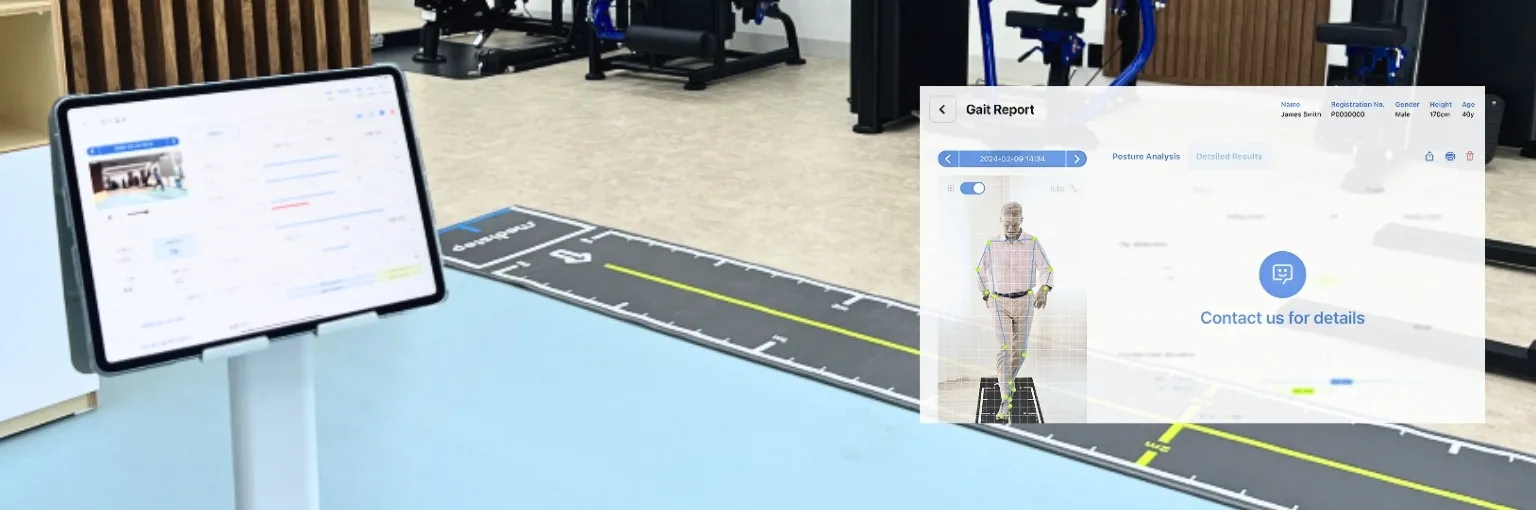
Walking may appear simple, but it involves complex coordination between muscles, joints and the nervous system. Changes in walking patterns can provide valuable information about mobility, balance and physical function. Traditionally, detailed gait analysis has required specialised equipment and laboratory settings. Today, Artificial Intelligence (AI) is making movement assessment more accessible by transforming ordinary walking videos into measurable data, offering new opportunities for rehabilitation, clinical assessment and functional monitoring.
How Is AI Transforming Gait Analysis?
Conventional instrumented gait analysis may involve motion-capture cameras, reflective markers, force plates and specialised facilities. Although these systems provide detailed movement information, their equipment requirements and setup procedures can limit their availability in everyday clinical environments.
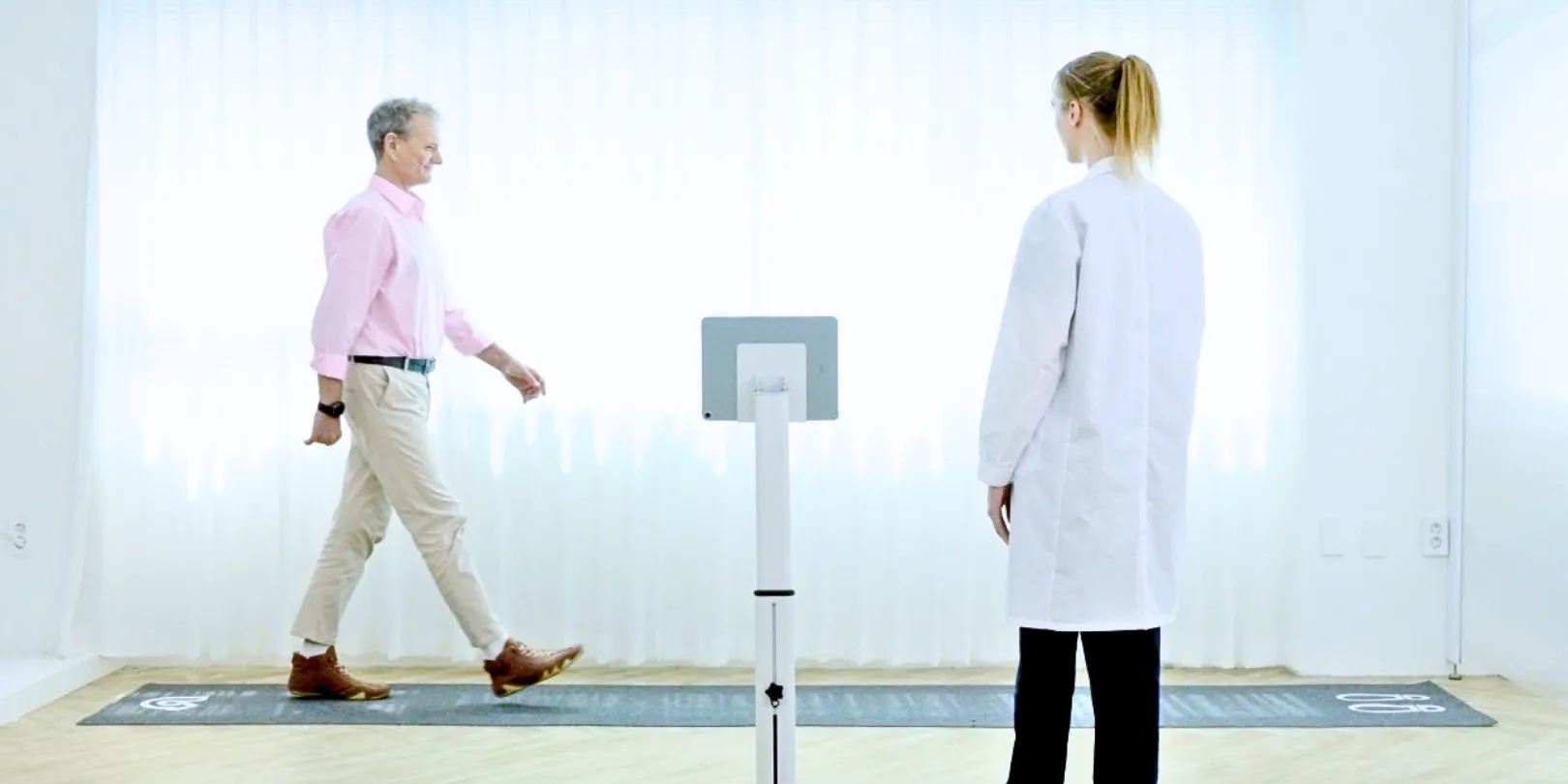
AI-powered gait analysis offers an alternative through computer vision and markerless motion tracking. By analysing recorded walking videos, AI algorithms can estimate body positions and joint movements without requiring physical markers or wearable sensors. This allows walking parameters to be calculated automatically, reducing preparation time and making gait assessment more practical in a wider range of settings.
What Can AI Gait Analysis Reveal About Mobility?
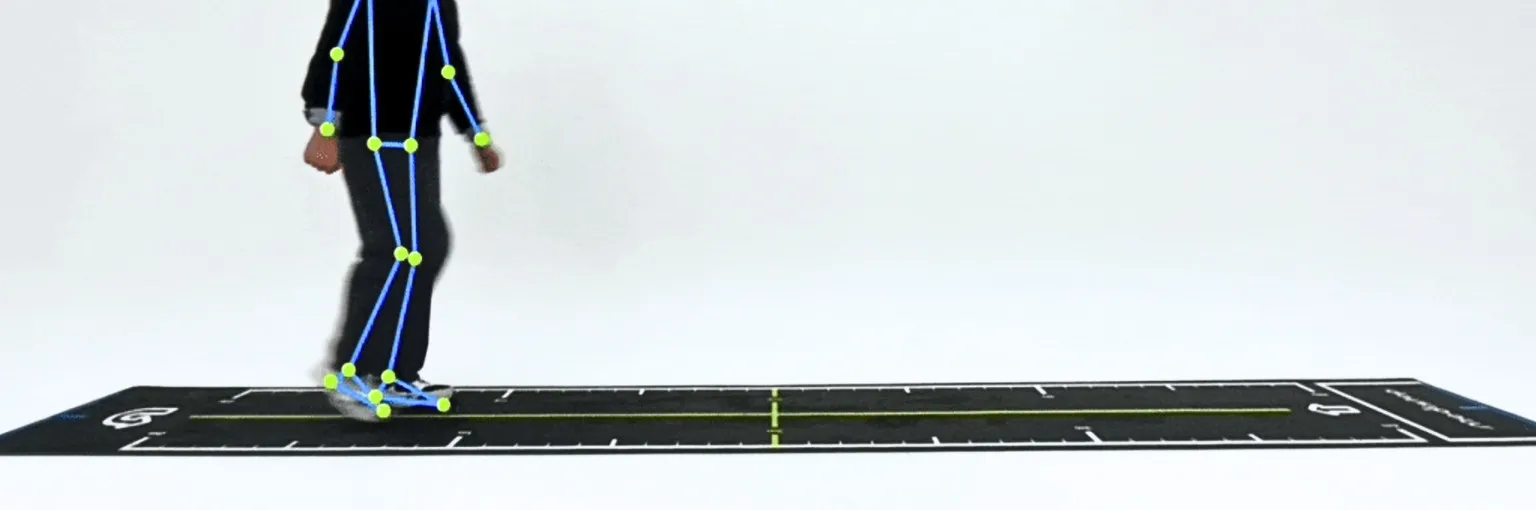
Beyond basic measurements such as walking speed and stride length, AI gait analysis can provide insights into movement coordination and postural alignment. Parameters such as left-right asymmetry, trunk inclination, arm swing and hip and knee movement can help clinicians better understand how different parts of the body contribute to walking performance.
One important application is monitoring changes over time. Comparing measurements from multiple assessments can help reveal improvements or declines in mobility, supporting rehabilitation progress tracking and functional evaluation. When combined with other clinical assessments, these insights can contribute to a more comprehensive understanding of an individual’s physical condition.
How Can AI Make Gait Assessment More Accessible?
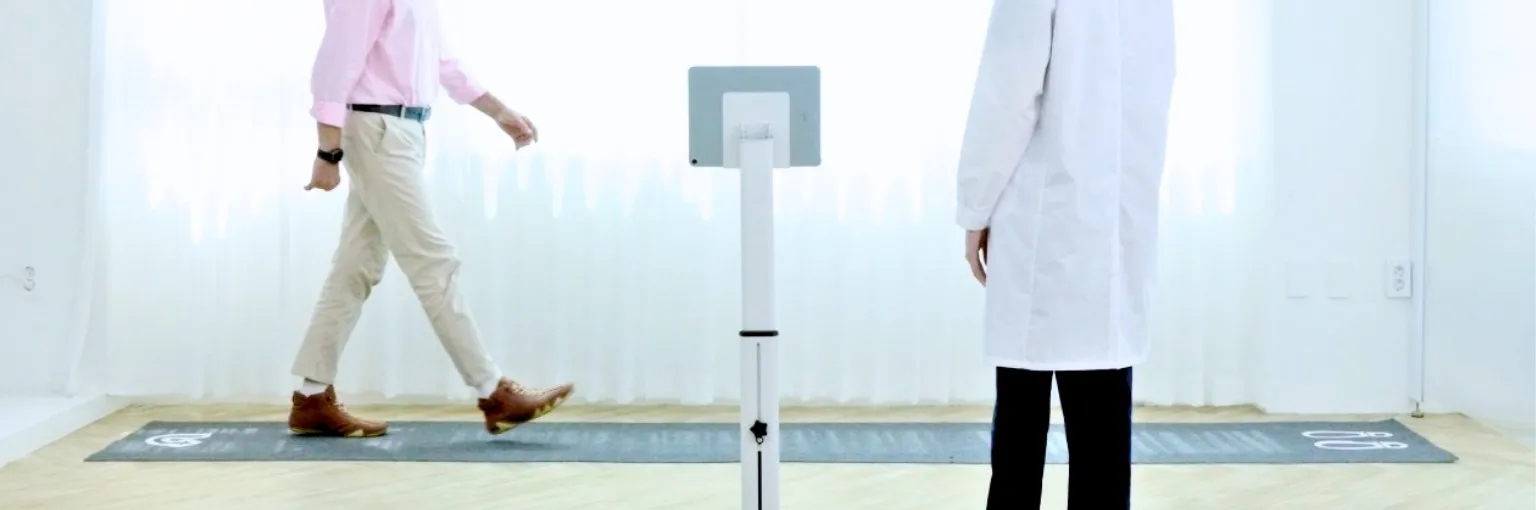
Advances in camera technology and automated movement analysis are making objective gait assessment easier to incorporate into routine workflows. Portable systems can reduce reliance on dedicated motion-analysis laboratories, while automatically generated reports help healthcare professionals interpret and communicate findings more efficiently. However, AI-generated measurements should complement clinical judgement rather than replace a comprehensive assessment.
AIT Studio’s MEDISTEP M Pro is an AI-powered, markerless gait analysis system designed for clinical and research environments. Using a camera-based approach, it supports lateral and frontal gait analysis, along with Short Physical Performance Battery (SPPB) assessments. The system automatically evaluates more than 40 gait indicators, including gait speed, stride length, symmetry, trunk inclination and joint movement. It also provides video playback, automated reports, raw data export and comparisons between previous and current assessments to support mobility evaluation and progress monitoring.
By combining markerless motion tracking with automated analysis and accessible reporting, MEDISTEP M Pro offers healthcare professionals a practical way to incorporate objective gait measurements into clinical assessments and rehabilitation monitoring.
Source
- AIT Studio. (n.d.). MEDISTEP M Pro: Simple, Clinical-Grade Gait Analysis for Real-World Care. AIT Studio. https://aitstudio.co.kr/en/product/medistep-m-pro/
- AIT Studio. (n.d.). Technology: Mobile Camera-Based Markerless Gait Analysis Technology. AIT Studio. https://aitstudio.co.kr/en/technology/
- AIT Studio. (n.d.). MEDISTEP: Walking Test. AIT Studio. https://aitstudio.co.kr/en/
- AIT Studio. (n.d.). Research: MEDISTEP M Pro Applications. AIT Studio. https://aitstudio.co.kr/en/use-cases/research/