

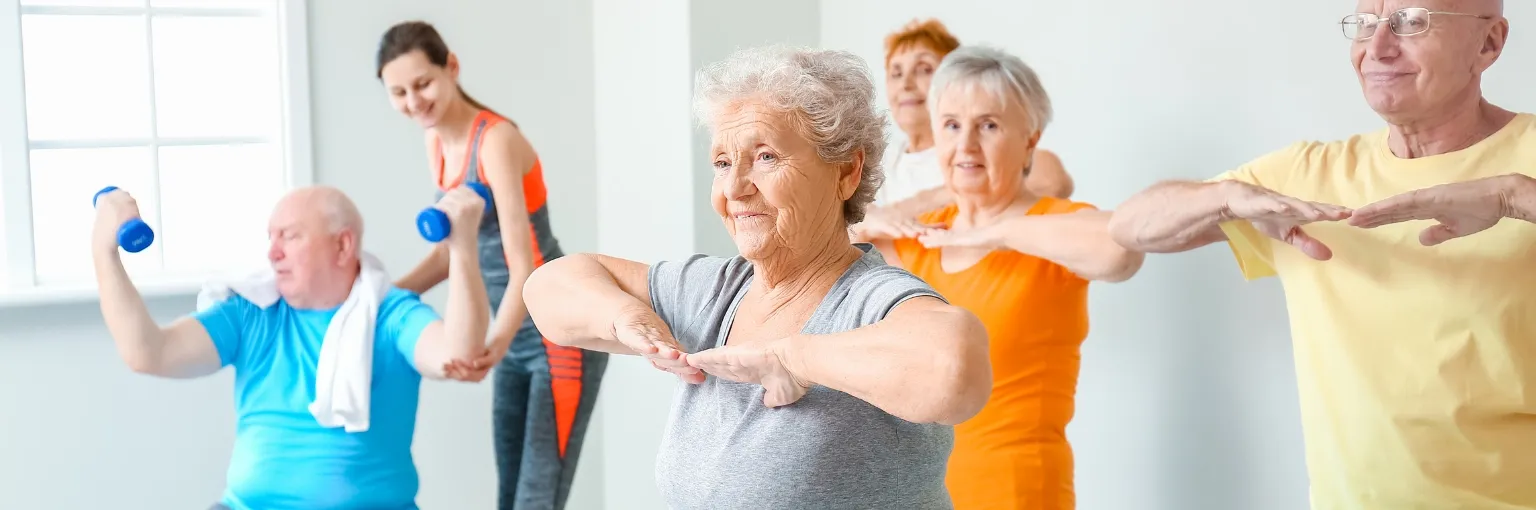
Physical exercise in old age can improve brain perfusion as well as certain memory skills. This is the finding of Magdeburg neuroscientists who studied men and women aged between 60 and 77. In younger individuals regular training on a treadmill tended to improve cerebral blood flow and visual memory.
However, trial participants who were older than 70 years of age tended to show no benefit of exercise. Thus, the study also indicates that the benefits of exercise may be limited by advancing age.
Researchers of the German Center for neurodegenerative Diseases (DZNE), the University of Magdeburg and the Leibniz Institute for Neurobiology have published these results in the current edition of the journal Molecular Psychiatry.
Scientists at the Karolinska Institute in Stockholm and the Max Planck Institute for Human Development were also involved in the study.
The Study
In 7 out of 9 members of the exercise group who were not more than 70 years old, the training improved physical fitness and also tended to increase perfusion in the hippocampus — an area of the brain which is important for memory function. The increased perfusion was accompanied by improved visual memory: at the end of the study, these individuals found it easier to memorise abstract images than at the beginning of the training program.
These effects were largely absent in older volunteers who participated in the workout as well as in the members of the control group.
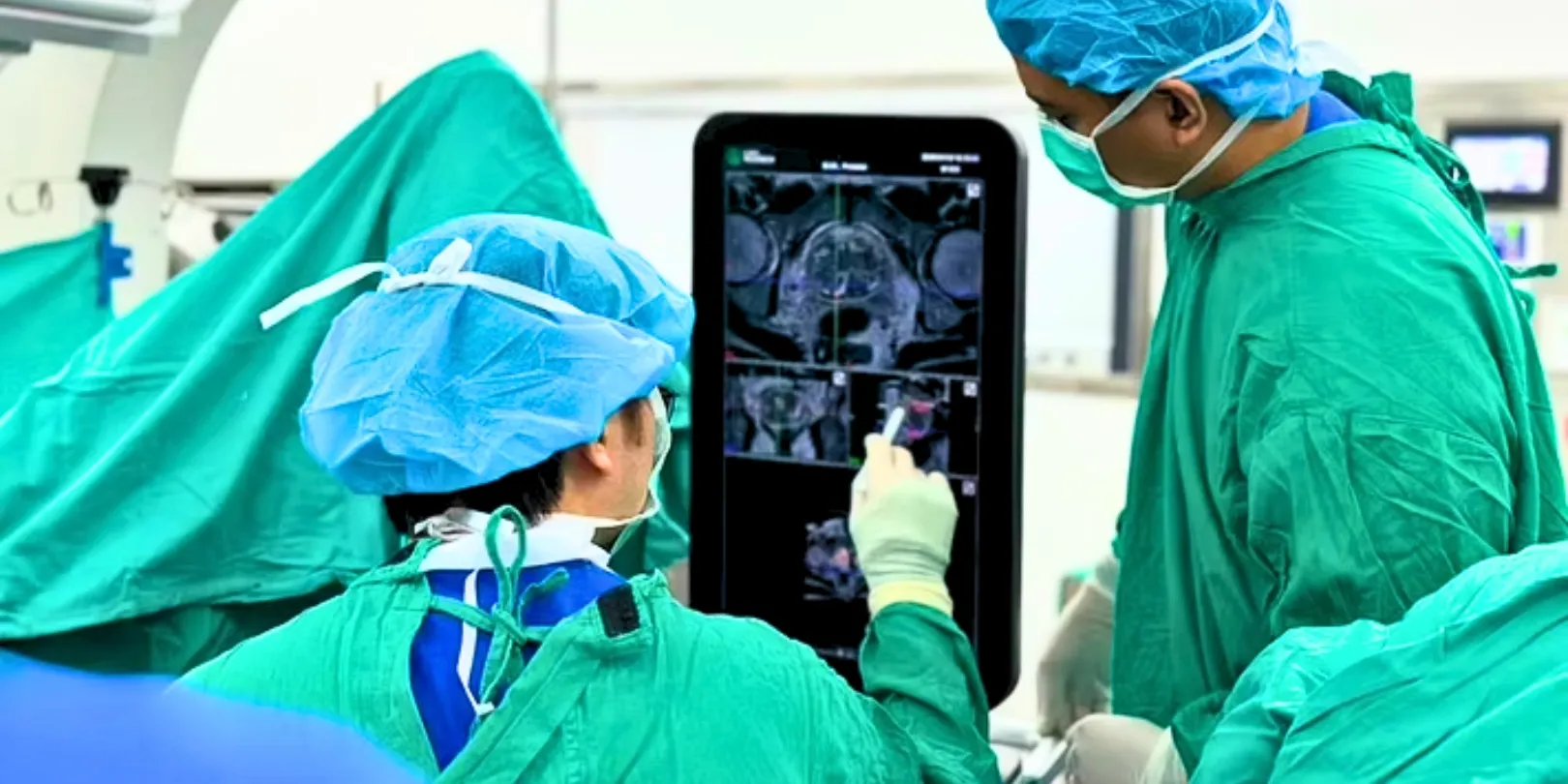
The study included extensive tests of the volunteers’ physical condition and memory. Furthermore, the study participants were examined by magnetic resonance imaging (MRI). This technique enables detailed insights into the interior of the brain.
Exercising Against Dementia
The new study shows that some ageing brains also retain this ability to adapt, even though it seems to decrease with advancing age.
Furthermore, the results indicate that changes in memory performance resulting from physical exercise are closely linked to changes in brain perfusion. “Ultimately, we aim to develop measures to purposefully counteract dementia such as Alzheimer’s disease.
This is why we want to understand the effects of physical exercise on the brain and the related neurobiological mechanisms.
This is essential for developing treatments that are truly effective,” is how Professor Emrah Düzel, site speaker of the DZNE in Magdeburg and director of the Institute of Cognitive Neurology and Dementia Research at the University of Magdeburg, explains the background to the study.
The Goal: New Brain Cells

“The human brain is able to change and evolve throughout our lives. New nerve cells can form even in adult brains,” says Düzel.
“Our aim is to stimulate this so-called neurogenesis. We don’t yet know whether our training methods promote the development of new brain cells. However, fundamental research shows that the formation of new brain cells often goes hand in hand with improved brain perfusion.”
A Combined Training for Body and Mind

“This complex situation makes high demands on motor skills and sense of orientation,” explains Düzel. “It challenges both the brain as well as the muscles.”
In the long term, the scientists aim to include people in the early stages of Alzheimer’s disease in their study program. “We are looking for ways of delaying or even stopping the progression of the disease. And we are also researching methods of prevention,” emphasises Düzel.
“Connecting physical activity and mental exercise may have a broad impact, and combined training might become a therapeutic approach. However, this has yet to be shown. In fact, our current results suggest that we may need pharmacological treatments to make exercise more effective.”
h/p/cosmos Pluto Treadmill

Pluto is a low maintenance, affordable solution that provides users with a comfortable run with its advanced construction. To learn more about h/p/cosmos Pluto, visit our page at bmec.asia/h-p-cosmos.
Source
- DZNE – German Center for Neurodegenerative Diseases | Sport in old age can stimulate brain fitness, but effect decreases with advancing age
- h/p/cosmos | Sport in old age can stimulate brain fitness, but effect decreases with advancing age
- G Müller, E Düzel. Vascular hippocampal plasticity after aerobic exercise in older adults. Molecular Psychiatry, 2014; DOI: 10.1038/mp.2014.114