
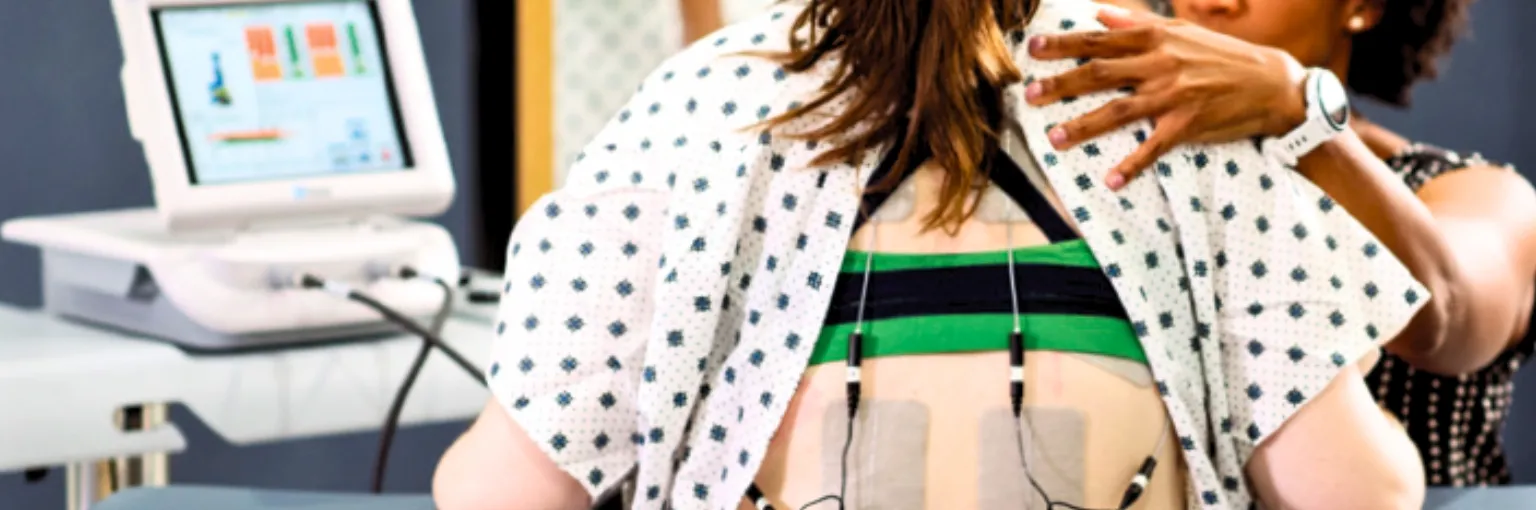
Patients with neurological injuries, such as stroke, spinal cord injury, or brain trauma, often face profound motor deficits that limit movement and independence. Traditional therapy approaches can be slow and repetitive, sometimes lacking real-life context. To achieve meaningful recovery, rehabilitation must move beyond passive exercise and focus on task-specific, functional activities that stimulate neural pathways and promote real-world skill rebuilding.
This is where functional electrical stimulation (FES) technology comes into play. By combining multi-channel FES with functional movement patterns, clinicians can guide patients through coordinated, purposeful tasks that reflect daily living.
The Xcite2 system by Restorative Therapies integrates these principles with over 40 pre-programmed activities across four therapy libraries, covering upper limb, lower limb, hand, and general mobility tasks such as grasping, feeding, sit-to-stand, and transfers. Each movement is meaningful, goal-oriented, and designed to retrain the brain-muscle connection.
Streamlined Technology for Efficient Clinical Use
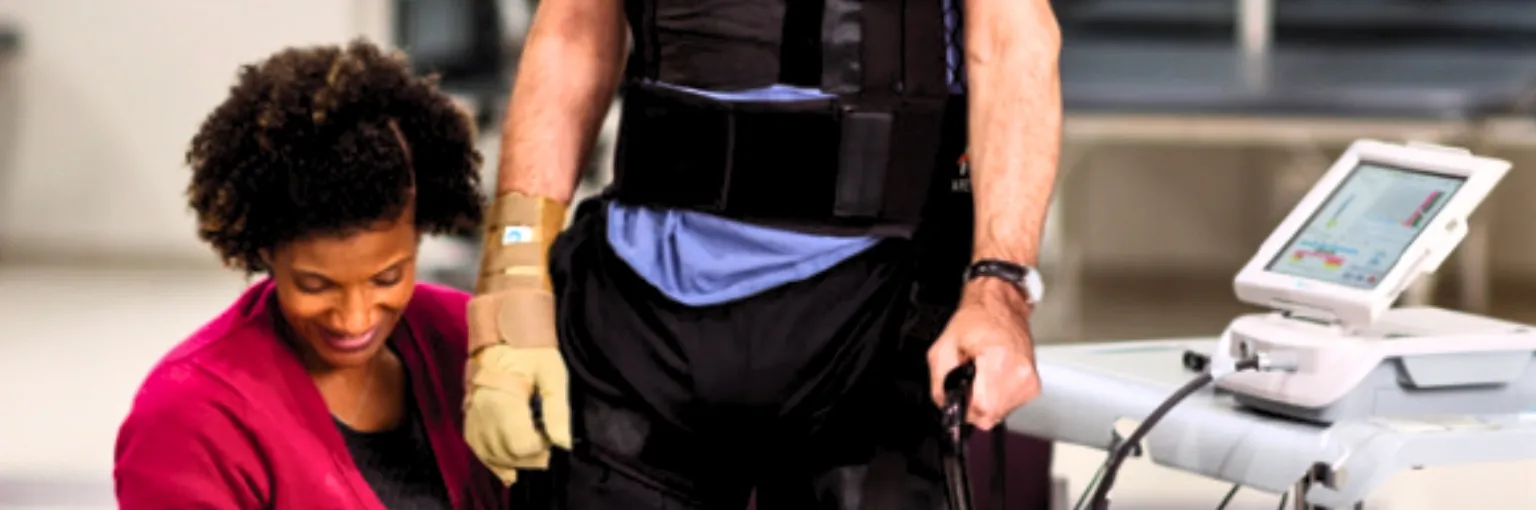
Beyond its therapeutic sophistication, the Xcite2 was built for real-world clinical efficiency. The system features a responsive touch interface, enhanced processing speed, and a detachable tablet for flexible setup during sessions. Its height-adjustable cart supports both seated and standing use, while the long-lasting battery (up to eight hours of operation) and lockable wheels ensure convenient mobility between therapy stations. These thoughtful design elements allow therapists to focus more on patient engagement and less on logistical setup.
In modern rehabilitation, objective tracking is as important as the therapy itself. The Xcite2’s proprietary software delivers real-time biofeedback, helping clinicians monitor muscle activation, verify correct electrode placement, and assess performance accuracy. Through integration with RTILink.com, patient data and therapy settings can be stored and synced, ensuring continuity of care and measurable progress across sessions. This data-driven approach empowers therapists to make informed adjustments that optimize recovery outcomes.
Driving Neuroplasticity Through Functional Repetition
Recovery after neurological injury depends on the brain’s ability to form new connections, a process known as neuroplasticity. The Xcite2 facilitates this by providing repeated, meaningful practice of everyday tasks.
Instead of isolated muscle contractions, patients perform coordinated, purposeful movements supported by FES-evoked muscle activation. This combination strengthens neuromuscular control, improves circulation, prevents disuse atrophy, and fosters long-term functional gains.
Designed for Broad Clinical Application

Versatile and adaptable, Xcite2 supports a wide range of rehabilitation goals, from re-educating muscles and maintaining range of motion to reducing spasms and improving coordination. Whether used for patients recovering from stroke, spinal cord injury, or other neurological conditions, it enables therapists to deliver high-quality, evidence-based care tailored to each patient’s functional needs. If you wish to learn more about Restorative Therapies’ Xcite2, visit our page now: https://bmec.asia/my/restorative-therapies-rehab-solutions-for-clinics-and-the-home
More Information
Restorative Therapies | https://restorative-therapies.com/xcite2/?utm_source=chatgpt.com
Restorative Therapies / BMEC Pte Ltd