
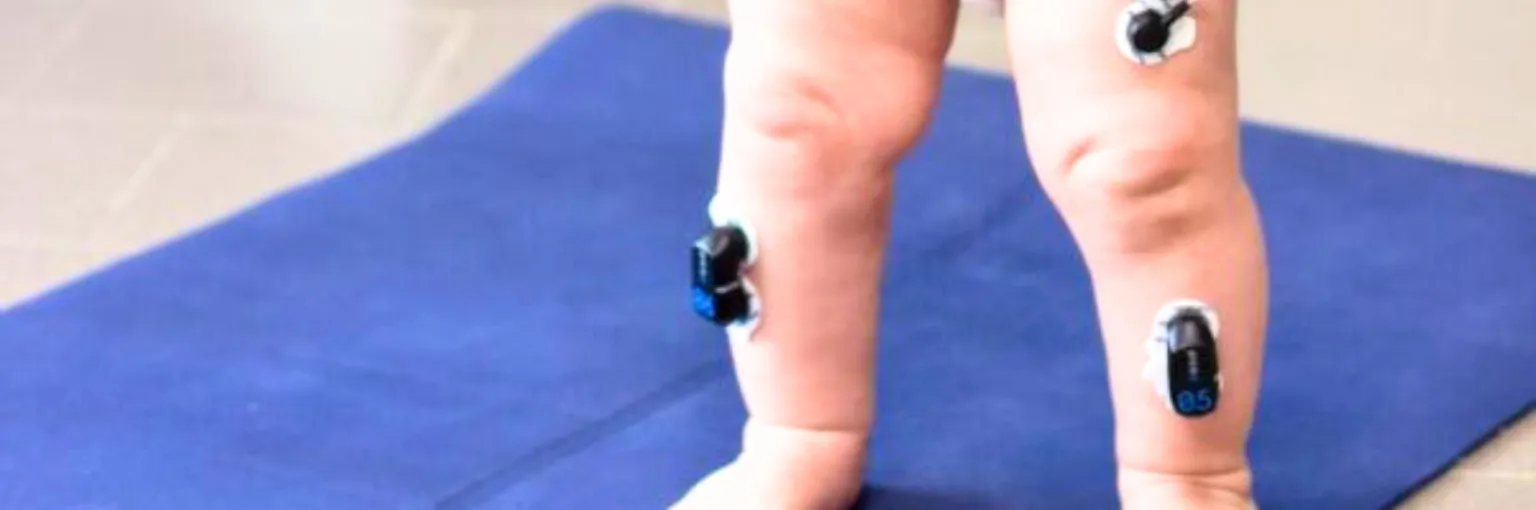
Children with neurological and musculoskeletal conditions often experience movement impairments that affect their mobility, balance, and participation in daily activities. Conditions such as cerebral palsy, developmental disorders, and neuromuscular diseases can lead to altered muscle activation patterns, making it difficult for clinicians to fully understand the underlying causes of gait abnormalities through visual observation alone.
Accurate assessment is essential for developing effective rehabilitation strategies. While traditional clinical examinations provide valuable information, they may not reveal how muscles are functioning during movement. This is where surface electromyography (sEMG) plays an important role, providing objective insights into muscle activity and helping clinicians better understand how a child moves in real-world situations.
The Role of Surface EMG in Pediatric Assessment
Surface EMG measures the electrical activity produced by muscles during movement, allowing clinicians to identify when muscles activate, how strongly they contract, and whether coordination patterns are functioning as expected. In pediatric gait assessment, sEMG helps reveal muscle recruitment strategies that may not be visible through observation or video analysis alone.
By combining sEMG with gait analysis and clinical evaluation, healthcare professionals can gain a more comprehensive understanding of a child’s movement patterns. This information is particularly valuable when assessing muscle timing, co-contraction and compensatory movement strategies. As a result, clinicians can make more informed decisions regarding rehabilitation programs.
Supporting Personalised Rehabilitation & Progress Monitoring

The value of surface EMG extends beyond assessment. During rehabilitation, sEMG provides objective data that can help therapists tailor interventions to each child’s specific needs. By identifying which muscles are underactive, overactive, or poorly coordinated, clinicians can design targeted exercises that focus on improving motor control and functional movement.
Surface EMG also enables ongoing monitoring of progress throughout the rehabilitation journey. Repeated assessments allow clinicians to evaluate changes in muscle activation patterns over time and determine whether interventions are producing the desired outcomes. This data-driven approach supports evidence-based practice and helps ensure that rehabilitation programs remain effective as the child develops and progresses.
Advancing Pediatric Assessment with the Cometa MiniX
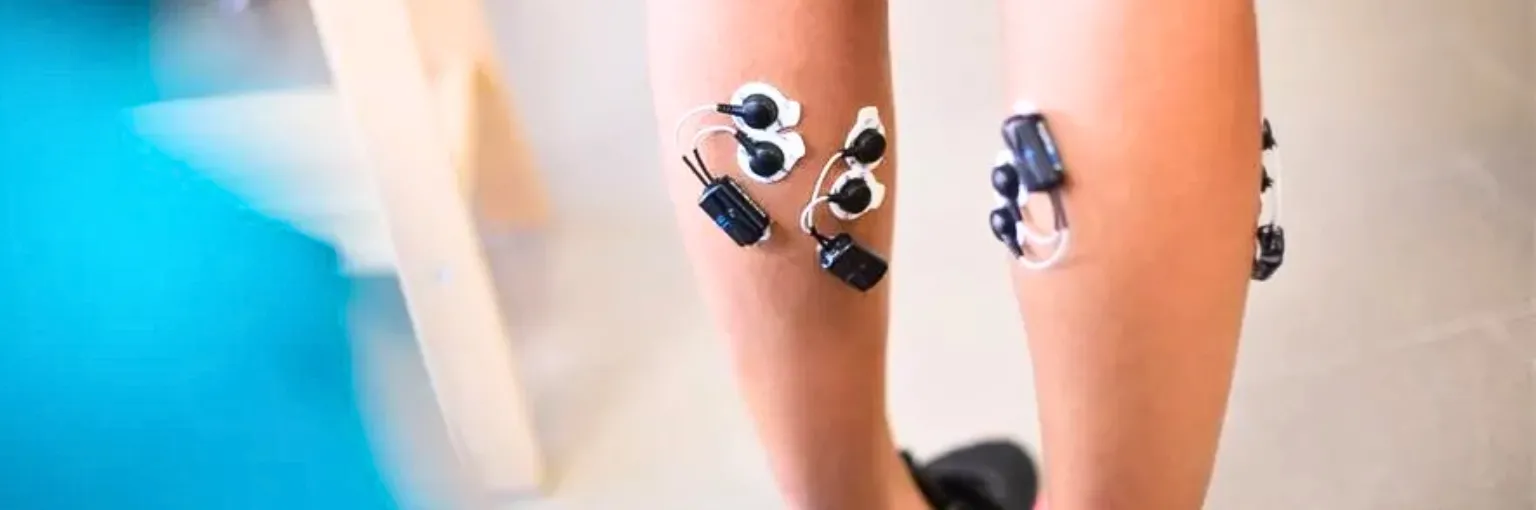
The Cometa MiniX is a wireless surface EMG system designed to deliver high-quality muscle activity measurements while maintaining comfort and freedom of movement. Its lightweight and compact sensors are particularly well suited for pediatric applications, allowing children to move naturally during gait assessments and rehabilitation activities without the restrictions of cables or bulky equipment. To learn more about the Cometa MiniX, visit our page now: https://bmec.asia/my/cometa
More Information
- Cometa Systems. Pediatric Gait Assessment with Surface EMG. https://www.cometasystems.com/pediatric-gait-assessment-emg/
- Cometa Systems. MiniX Wireless EMG System. https://www.cometasystems.com/minix/
- Info Instruments. Cometa MiniX Product Information. https://www.infoinstruments.cn/product/cometa-minix/
Cometa srl, BMEC Pte Ltd