
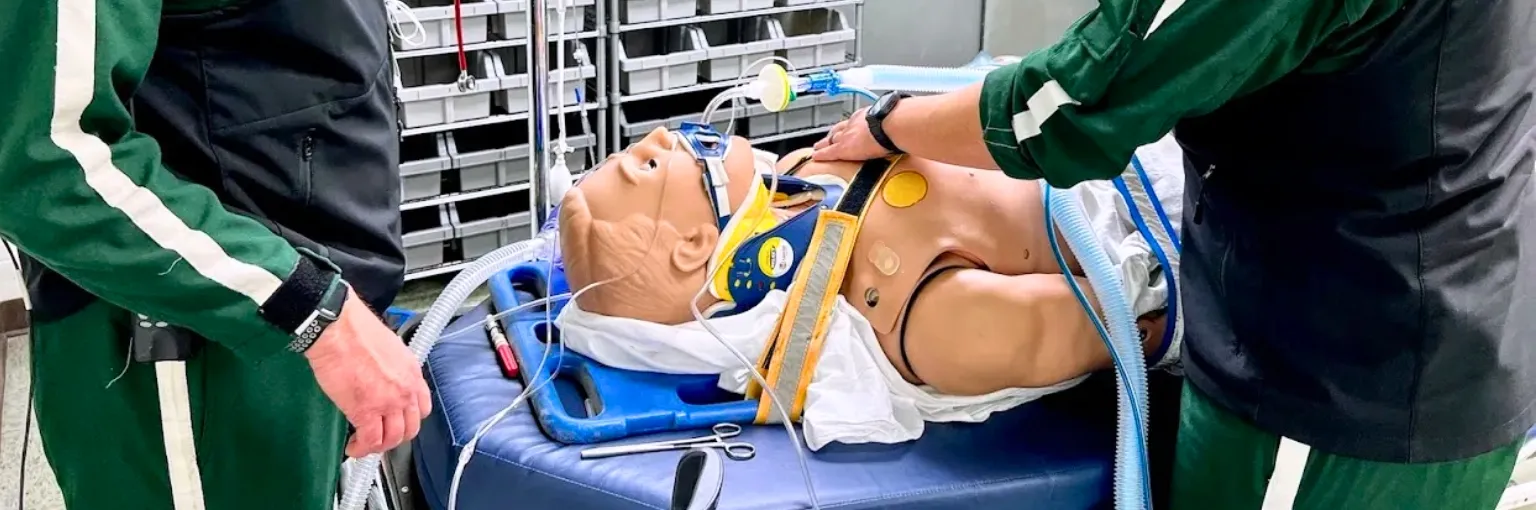
In real-world healthcare, patient care rarely happens in a single location. From the initial response at the scene to treatment in the emergency department and eventual admission to intensive care, each transition introduces new challenges. For healthcare professionals, being able to adapt quickly across these environments is critical.
Healthcare simulation has evolved to address this need by replicating the full continuum of care. Modern simulation programmes are no longer confined to classrooms or labs, they are designed to mirror real clinical pathways, allowing learners to experience patient management from first contact through to advanced care. This approach strengthens clinical readiness and prepares teams for the complexities of real-life patient transitions.
The Role of Simulation in High-Risk, Time-Critical Scenarios
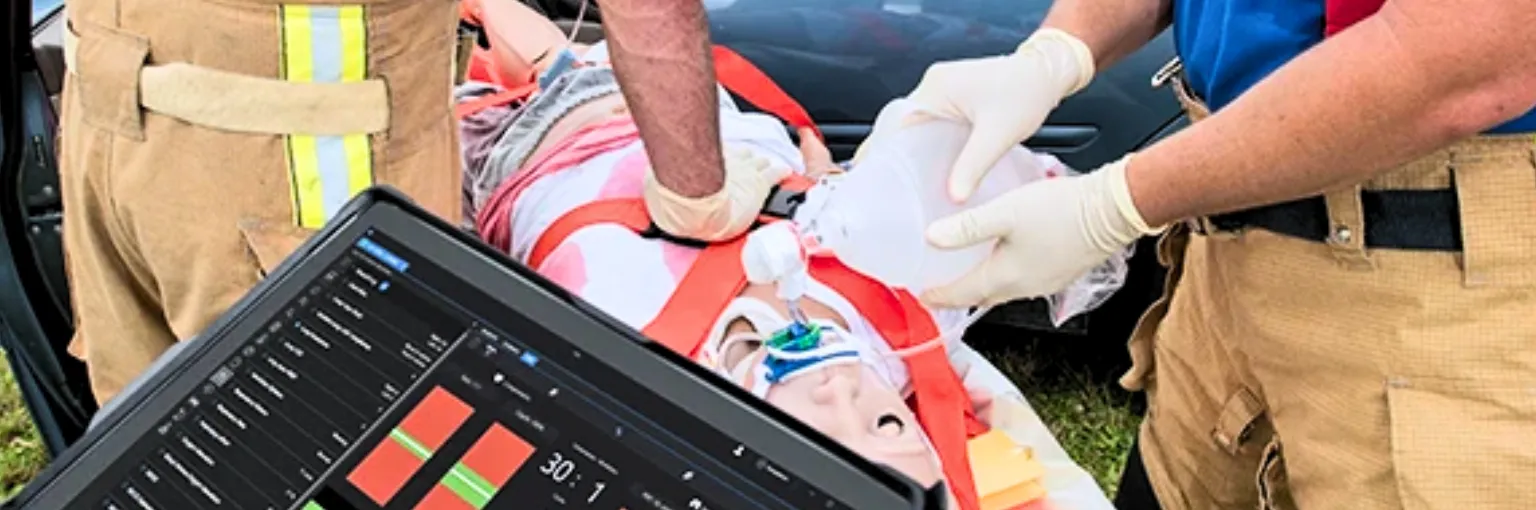
Certain clinical situations, such as trauma, cardiac events, or respiratory distress, demand rapid decision-making under pressure. These high-risk, low-frequency scenarios are difficult to practise consistently in real clinical settings, making simulation an essential training tool.
Simulation enables repeated exposure to these critical situations in a controlled environment. By recreating realistic emergencies, healthcare professionals can refine their technical skills, improve communication, and enhance team coordination. This is especially valuable for emergency and aeromedical teams, where the ability to stabilise patients during transport and handover is crucial to patient outcomes.
Creating Realistic, In-Situ Learning Environments
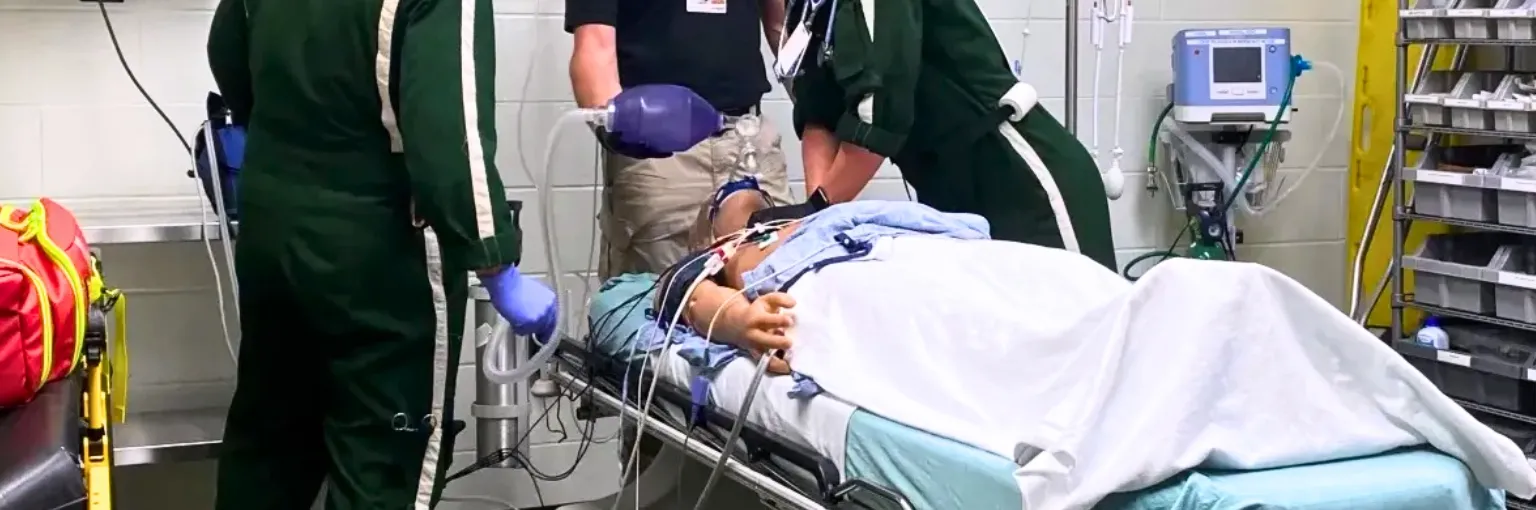
One of the key advancements in healthcare simulation is the shift toward in-situ training, where learning takes place in actual clinical or field environments rather than dedicated simulation centres. This allows participants to train using the same equipment, workflows, and surroundings they encounter in real practice.
Simulation technologies now support the use of real patient monitors, ventilators, and resuscitation equipment, enabling learners to practise procedures exactly as they would in real scenarios. This level of realism helps bridge the gap between theory and practice, ensuring that healthcare providers are not only knowledgeable but also operationally prepared.
Supporting Continuity of Care Through Simulation
Effective patient care depends on smooth transitions between different stages of treatment. Simulation plays a critical role in training healthcare teams to manage these transitions, from pre-hospital stabilisation to emergency interventions and ongoing critical care.
By simulating patient handovers and multi-environment workflows, healthcare providers can better understand how decisions made in one stage impact outcomes in the next. This holistic approach encourages collaboration across disciplines and improves the continuity and quality of care delivered to patients.
Enabling Field-to-Hospital Training with Advanced Simulation Technology
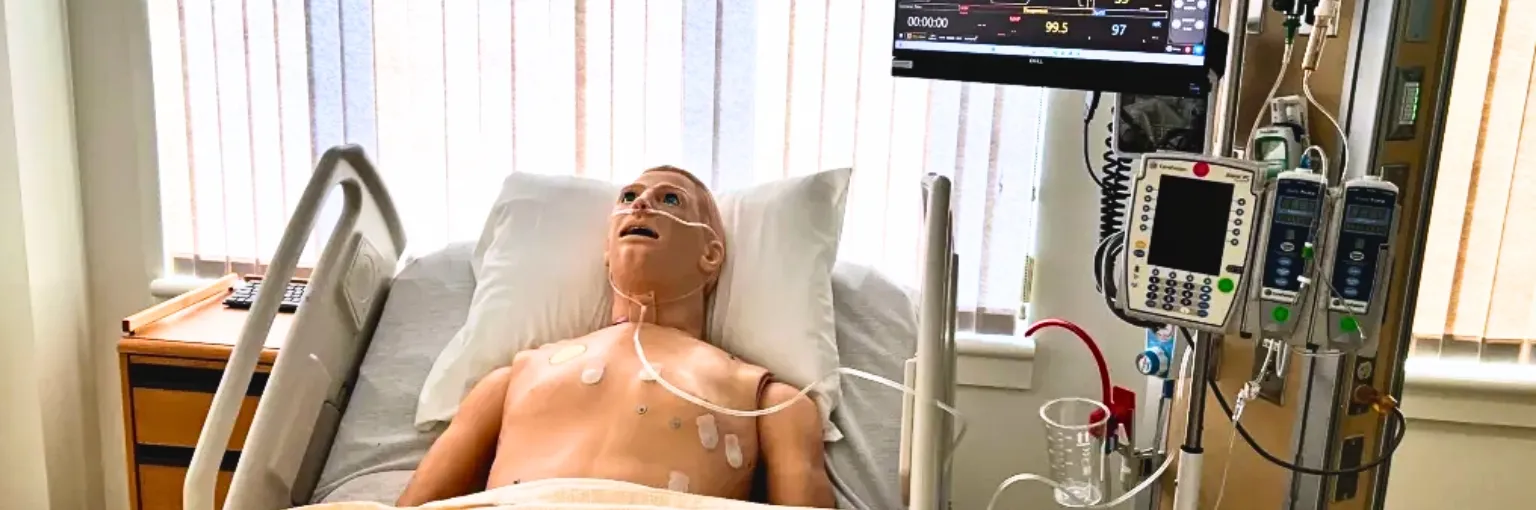
Advances in simulation technology have made it possible to train across multiple environments without interruption. The Gaumard HAL® S3201 is designed specifically for this purpose, offering a tetherless, wireless system that operates continuously during transport and across clinical settings.
With the ability to simulate lifelike patient responses across pre-hospital, emergency, and critical care environments, HAL® supports realistic training scenarios that mirror real-world workflows. Its compatibility with real monitoring and resuscitation equipment further enhances the authenticity of training, helping healthcare professionals build confidence and competence across the entire patient care journey. To explore more about HAL® S3201, visit our page now: https://bmec.asia/my/gaumard
More Information
- Gaumard Scientific. Advanced HAL® S3201 Patient Simulator. Retrieved from: https://www.gaumard.com/advanced-hal-s3201
- University of Arkansas–Fort Smith Nursing Program. UAFS Nursing Program Opens State-of-the-Art Simulation Lab to Prepare Future Nurses. Retrieved from: https://blog.gaumard.com/uafs-nursing-program-opens-state-of-the-art-simulation-lab-to-prepare-future-nurses/
- LifeFlight of Maine. LifeFlight of Maine’s Simulation Lab Improves Rural Healthcare Training in Bangor. Retrieved from: https://blog.gaumard.com/lifeflight-of-maines-simulation-lab-improves-rural-healthcare-training-in-bangor/
- Gaumard Scientific. Burn and Trauma Injuries Increase in the Summer and Winter: Simulation Can Boost ED Staff Readiness. Retrieved from: https://blog.gaumard.com/burn-and-trauma-injuries-increase-in-the-summer-and-winter-simulation-can-boost-ed-staff-readiness/
Gaumard Scientific, BMEC Pte Ltd