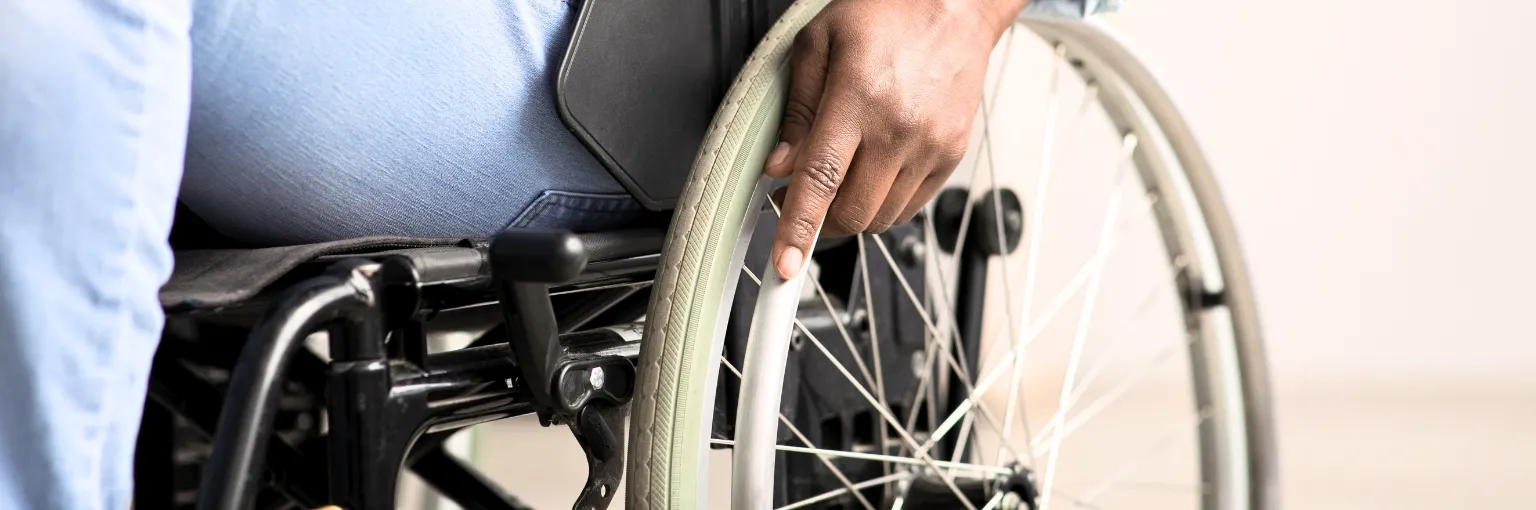
Patients recovering from conditions such as stroke, brain injury, fractures, or neurological disorders often experience lasting impairments in movement, strength, and coordination. During the recovery and sequelae periods, limitations such as muscle weakness, reduced joint mobility, spasticity, and poor motor control can significantly affect daily activities. Without targeted rehabilitation, these challenges may persist long term, impacting a patient’s ability to walk, grasp objects, or maintain balance.
Functional training during these stages focuses on restoring purposeful movement rather than isolated muscle activation. By engaging patients in repetitive, goal-oriented exercises for both upper and lower limbs, rehabilitation aims to rebuild neuromuscular pathways and support a gradual return to functional independence.
Why Functional Upper & Lower Limb Training Matters
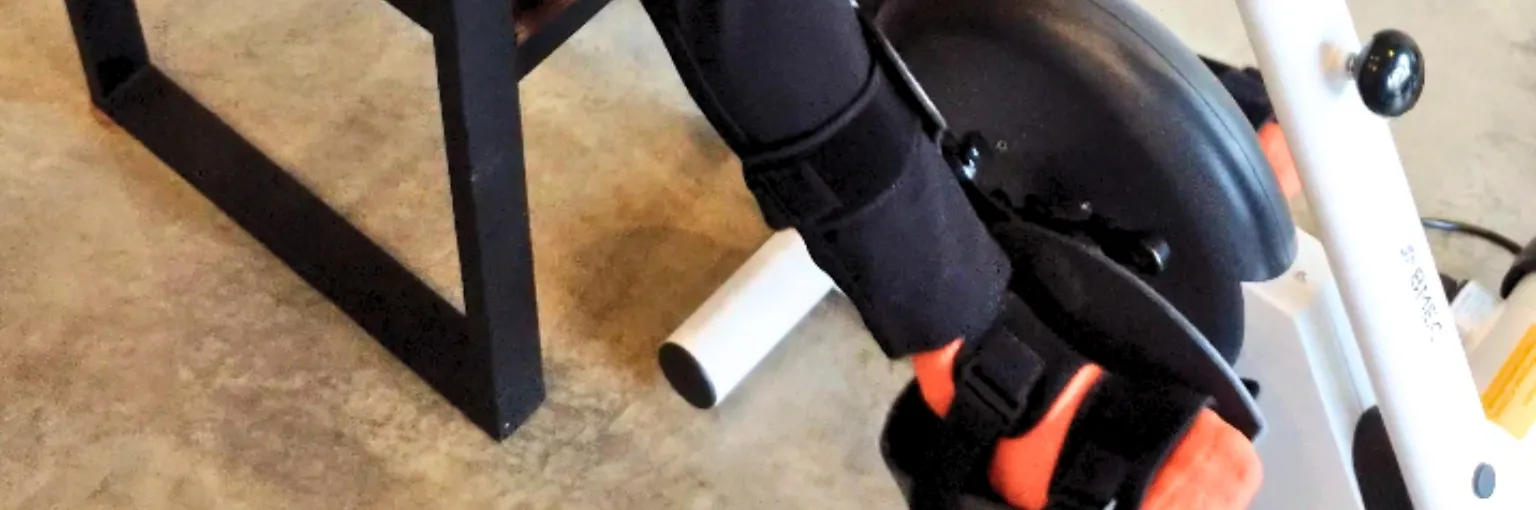
Upper and lower limb functions are closely interconnected in everyday movement. Tasks such as standing up, walking, reaching, or transferring require coordinated effort across multiple joints and muscle groups. Functional training addresses this by encouraging symmetrical use of the limbs, improving coordination, endurance, and motor control. This is particularly important for patients transitioning from assisted movement to active participation in their rehabilitation.
In the sequelae period, when recovery may plateau, structured functional training helps prevent secondary complications such as joint stiffness, muscle atrophy, and reduced cardiovascular capacity. Consistent and guided movement supports long-term maintenance of mobility and helps patients regain confidence in their physical abilities.
Adapting Therapy to Different Functional Levels
Patients in recovery present with varying degrees of motor ability, from those requiring full assistance to those capable of active movement. Effective rehabilitation therefore requires adaptable training approaches. Passive and assisted exercises are essential for patients with limited voluntary control, as they help maintain joint range of motion and stimulate sensory input. As strength and coordination improve, active and resistance-based training becomes crucial to rebuild muscle power and functional endurance.
Personalised therapy modes also allow clinicians to respond to fluctuations in patient condition, such as fatigue or spasticity. Safety features, controlled movement speeds, and gradual progression ensure that training remains both effective and comfortable throughout different stages of recovery.
The Role of Engagement and Data in Rehabilitation
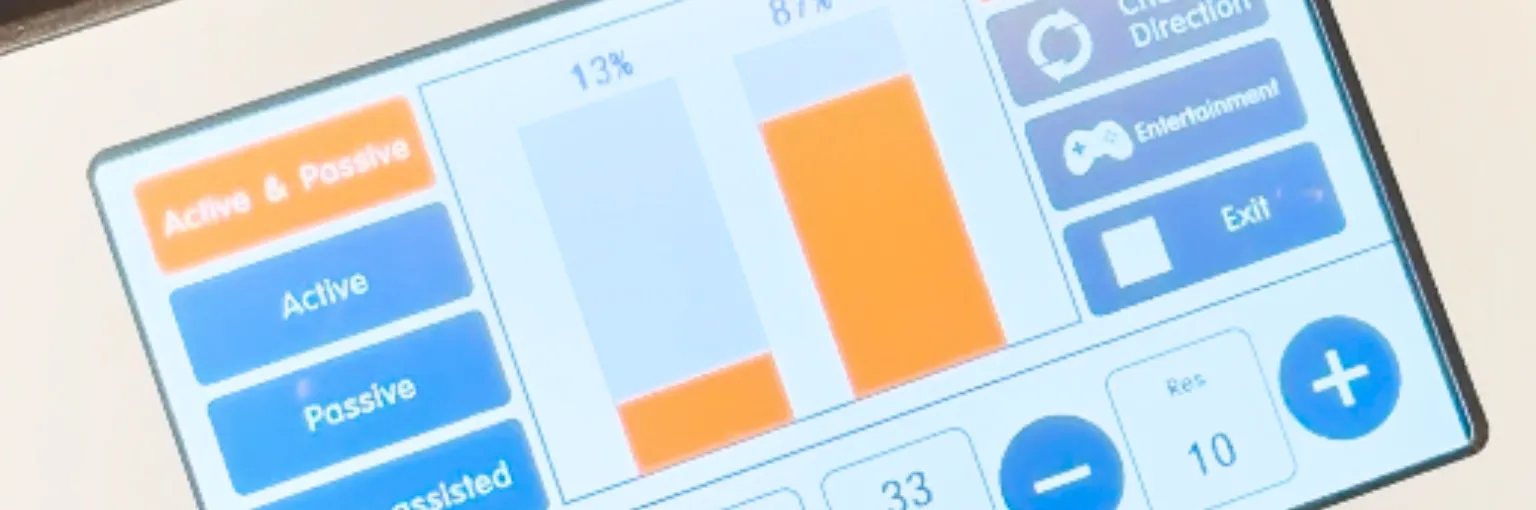
Motivation plays a critical role in rehabilitation outcomes. Repetitive exercises can be physically and mentally demanding, particularly for patients undergoing long-term therapy. Incorporating interactive elements and visual feedback into training helps maintain patient engagement and reduces resistance toward treatment. When patients are actively involved and motivated, consistency and adherence to rehabilitation programs improve.
At the same time, objective data collection supports clinical decision-making. Tracking performance, symmetry, endurance, and progression allows therapists to evaluate outcomes and adjust treatment plans more effectively. Data-driven rehabilitation ensures that functional gains are measurable and aligned with individual recovery goals.
Supporting Functional Recovery with K2000A
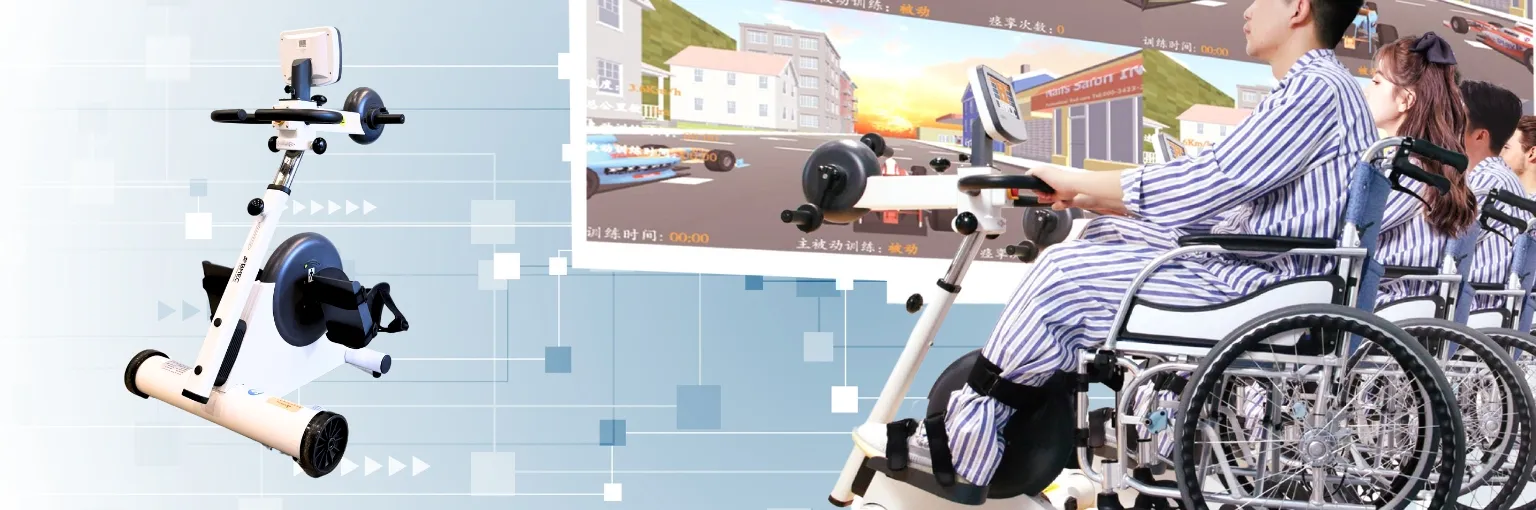
The BMEC K2000A Upper and Lower Limb Trainer is designed to support functional training for patients in both recovery and sequelae periods. As a specialised rehabilitation bike, it adopts a one-machine, multiple-functions concept, enabling comprehensive upper and lower limb training within a single system. The device offers five therapy modes, including active, passive, active and passive, power-assisted, and isokinetic training, allowing therapy to be tailored to different functional levels. If you wish to learn more about K2000A, visit our page now: https://bmec.asia/my/bmec
More Information
- BMEC K2000A Upper & Lower Limb Active and Passive Training Bike, Product Information.
- Comprehensive Rehabilitation with K2000A Upper & Lower Limb Trainer, Video Script.
- K2000A Features and Therapy Modes Overview.
BMEC Pte Ltd