

Cardiovascular and respiratory examinations are among the most essential clinical skills for healthcare professionals. From nursing and medical students to experienced clinicians, the ability to accurately assess heart and lung function plays a critical role in early diagnosis and patient management. These examinations help clinicians detect abnormalities such as irregular heart rhythms, abnormal breath sounds, or signs of respiratory distress, allowing timely intervention and improved patient outcomes.
Because these examinations form part of routine patient assessment, they are typically taught early in medical and nursing education. However, mastering these skills requires repeated practice and exposure to a wide range of clinical presentations. Developing strong cardiorespiratory examination skills ensures that healthcare professionals can confidently identify both normal findings and potential signs of disease during patient evaluations.
Developing Diagnostic Confidence Through Hands-On Training
Learning cardiovascular and respiratory assessment techniques involves more than theoretical knowledge. Healthcare professionals must develop tactile and auditory skills such as palpating pulses, identifying apex beats, and interpreting heart and lung sounds during auscultation. These physical examination skills form the foundation for clinical reasoning and diagnostic decision-making.
Simulation-based training environments allow learners to practise these skills safely and repeatedly before applying them in real clinical settings. By training in controlled environments, students can gradually build confidence in recognising different physiological patterns and pathological signs. This experiential learning approach helps bridge the gap between classroom knowledge and real-world patient care.
Recognising a Wide Range of Cardiorespiratory Conditions
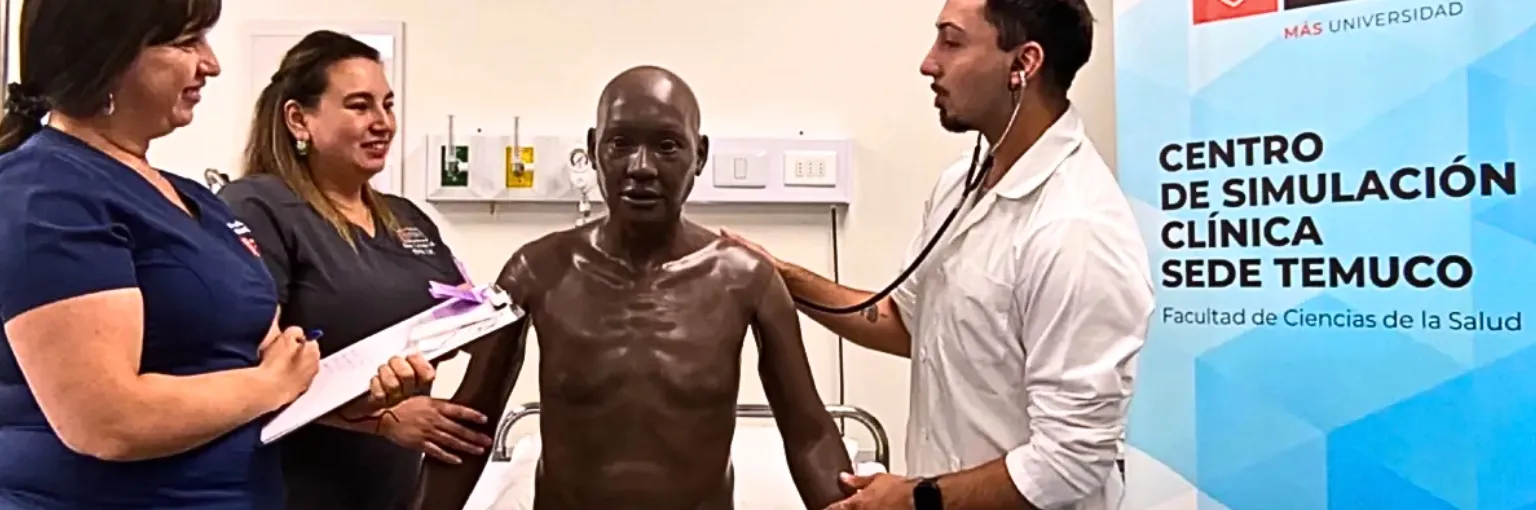
Effective training must also expose healthcare professionals to a variety of clinical scenarios. Cardiovascular and respiratory conditions can present with subtle differences in heart sounds, lung sounds, breathing patterns, and pulse characteristics. Recognising these differences is crucial for identifying conditions such as arrhythmias, airway obstruction, or pulmonary disease.
Advanced training tools can simulate numerous clinical cases, allowing learners to encounter both common and complex pathologies. By practising diagnostic examinations across different scenarios, healthcare professionals strengthen their ability to analyse findings and develop appropriate clinical responses. This form of structured practice supports deeper learning and improves preparedness for real patient encounters.
Flexible Learning for Healthcare Professionals at Every Level
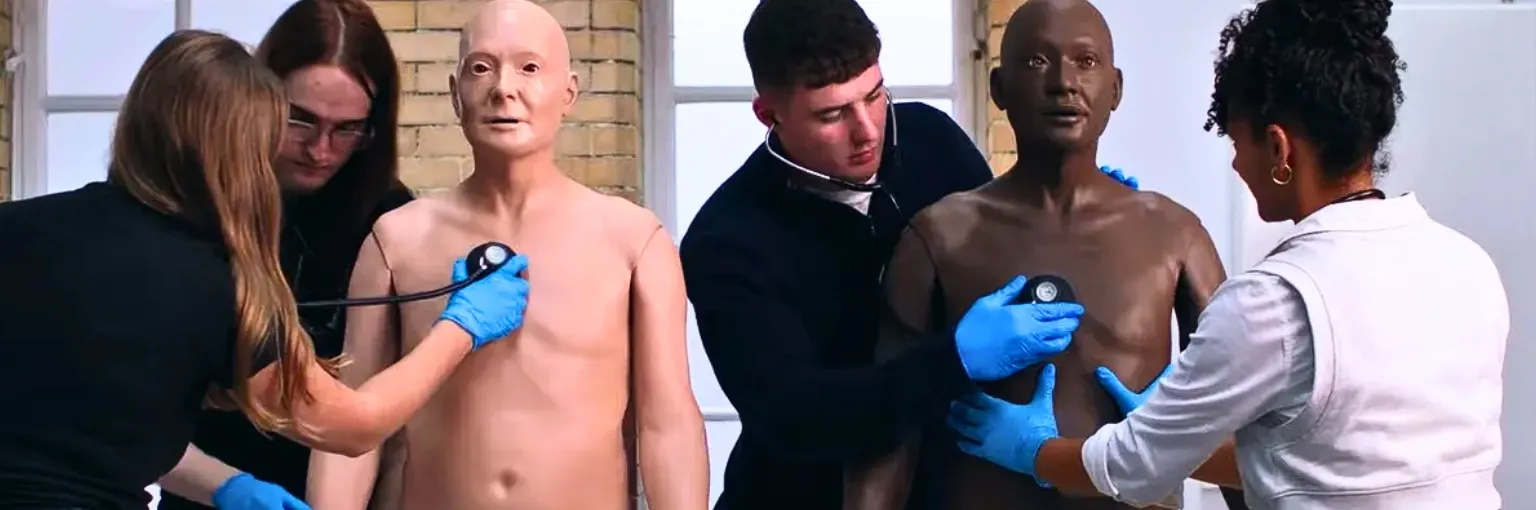
Cardiorespiratory examination training should be accessible to learners at different stages of their careers. From beginners learning basic inspection and palpation techniques to advanced practitioners refining diagnostic accuracy, training tools must accommodate a wide range of educational needs. Structured learning modes, clinical case simulations, and assessment features help educators deliver targeted teaching while supporting self-directed learning.
Group training environments can also enhance the learning experience. When students participate together, they can observe examination techniques, listen to clinical findings, and discuss interpretations collaboratively. This interactive approach strengthens both practical skills and clinical reasoning, helping learners develop the competence required in real healthcare environments.
Introducing the Limbs & Things Cardiovascular & Respiratory Exam Trainer
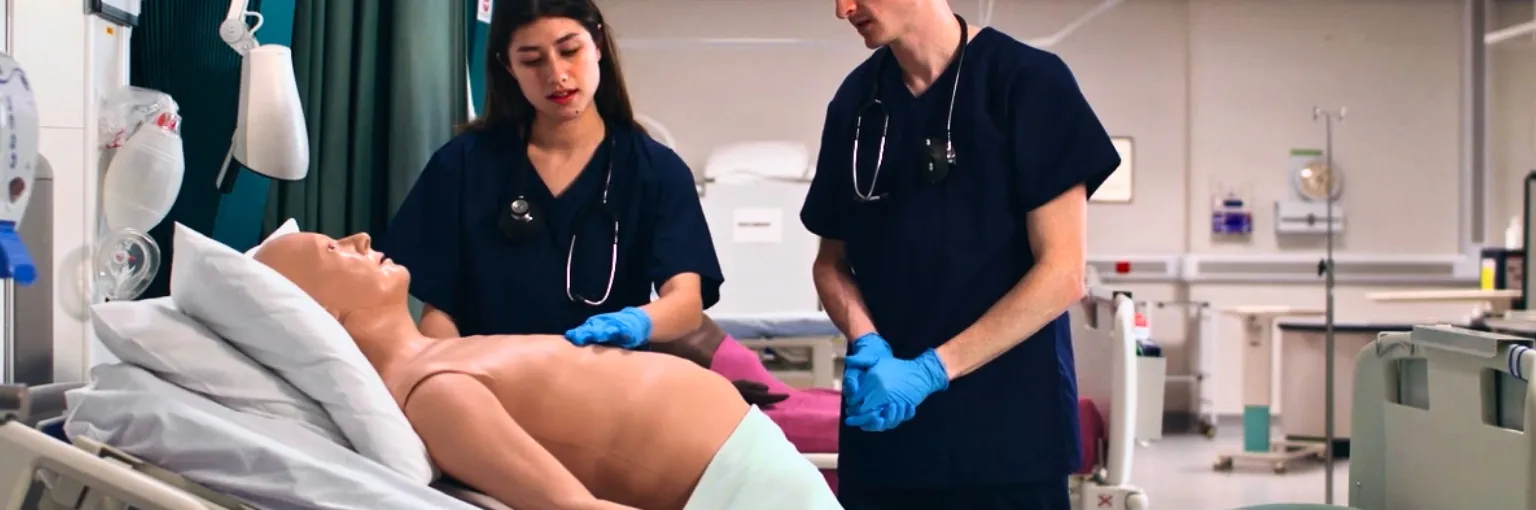
The Limbs & Things Cardiovascular & Respiratory Exam Trainer is designed to support the development of core cardiorespiratory examination skills through realistic simulation. This advanced training system replicates key physical examination findings, including palpable pulses, chest movement, and synchronised heart and lung sounds. With 23 heart sounds, 10 lung sounds, and more than 30 clinical cases ranging from common to complex conditions, it provides learners with valuable opportunities to practise diagnosis in a controlled environment.
By combining realistic physical features with flexible teaching modes, the trainer enables healthcare professionals at all levels to practise inspection, palpation, and auscultation techniques while building confidence in recognising cardiovascular and respiratory abnormalities. As a comprehensive training solution, it supports educators in preparing learners for real-world clinical assessments and improving patient care outcomes.
To know more about Limbs & Things’ CaRE, visit our page now: https://bmec.asia/my/limbs-things
More Information
- Limbs & Things. Cardiovascular and Respiratory Exam Trainer (CaRE). https://limbsandthings.com/global/products/91000-care-trainer-lst
- Limbs & Things. CaRE Cardiovascular & Respiratory Examination Trainer Product Brochure.
- Limbs & Things. Paramedic Range Brochure – Cardiovascular & Respiratory Examination Trainer.
Limbs & Things / BMEC Pte Ltd