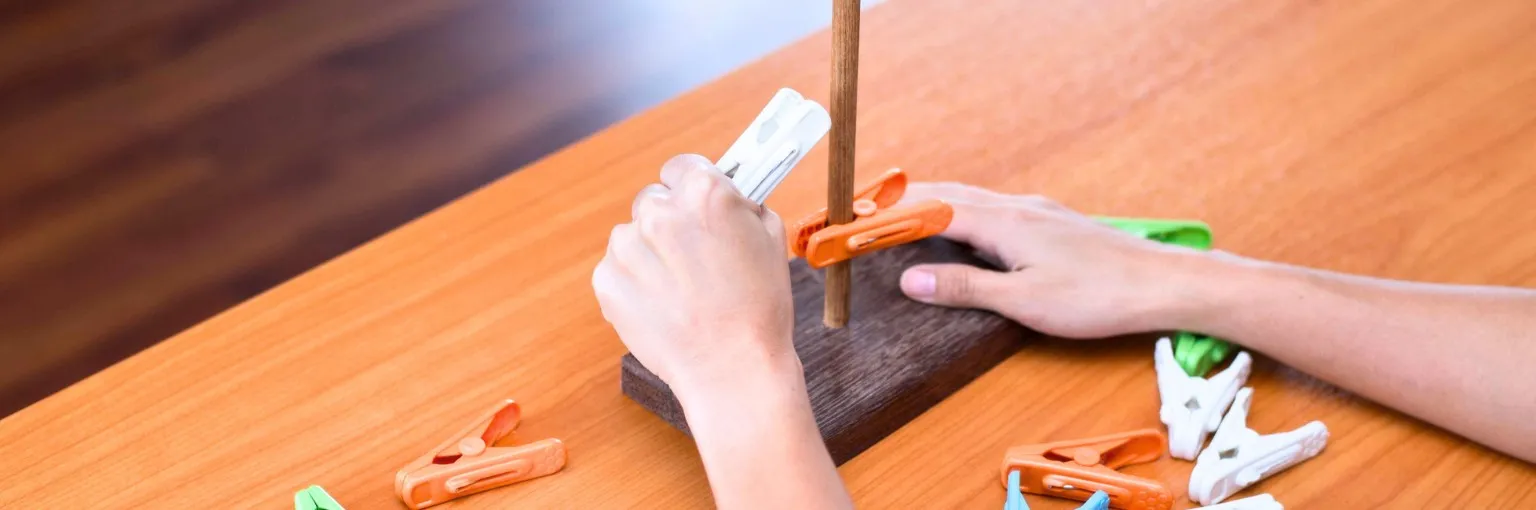
The upper limbs are essential for daily activities such as eating, dressing, personal hygiene, and interacting with the environment. When arm or hand function is affected by stroke, injury, or neurological conditions, even simple tasks can become difficult. Rehabilitation therefore focuses not only on movement recovery but also on restoring independence in daily life.
Why Does Upper-Limb Function Matter?
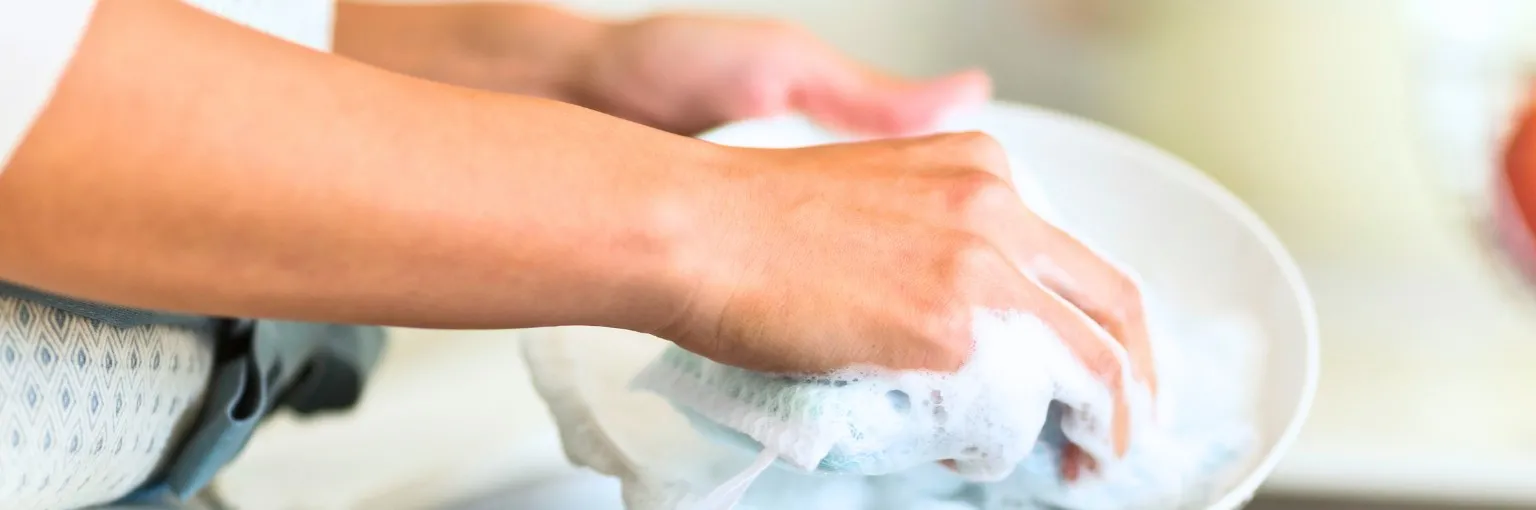
The arms and hands are involved in most activities of daily living. Reduced strength, coordination, or range of motion can significantly limit a person’s ability to function independently. WHO emphasises that rehabilitation should improve overall functioning independence, with daily activities forming a key part of recovery.
Upper-limb function is also closely linked to overall physical performance. Movements such as reaching, lifting and pushing require coordinated muscle activity. Targeted upper-limb training helps improve strength, motor control and functional ability, supporting a return to meaningful activities.
What Happens When Upper-Limb Function Is Reduced?
Conditions such as stroke, brain injury, spinal cord injury, fractures, musculoskeletal disorders can all affect upper-limb function. Patients may experience weakness, stiffness, poor coordination, or difficulty controlling movement.
Without proper rehabilitation, reduced activity can lead to complications such as joint stiffness, muscle wasting, and further loss of function. This is why progressive rehabilitation is important, allowing patients to gradually move from assisted to more active movement as recovery improves.
How Can Technology Support Rehabilitation?
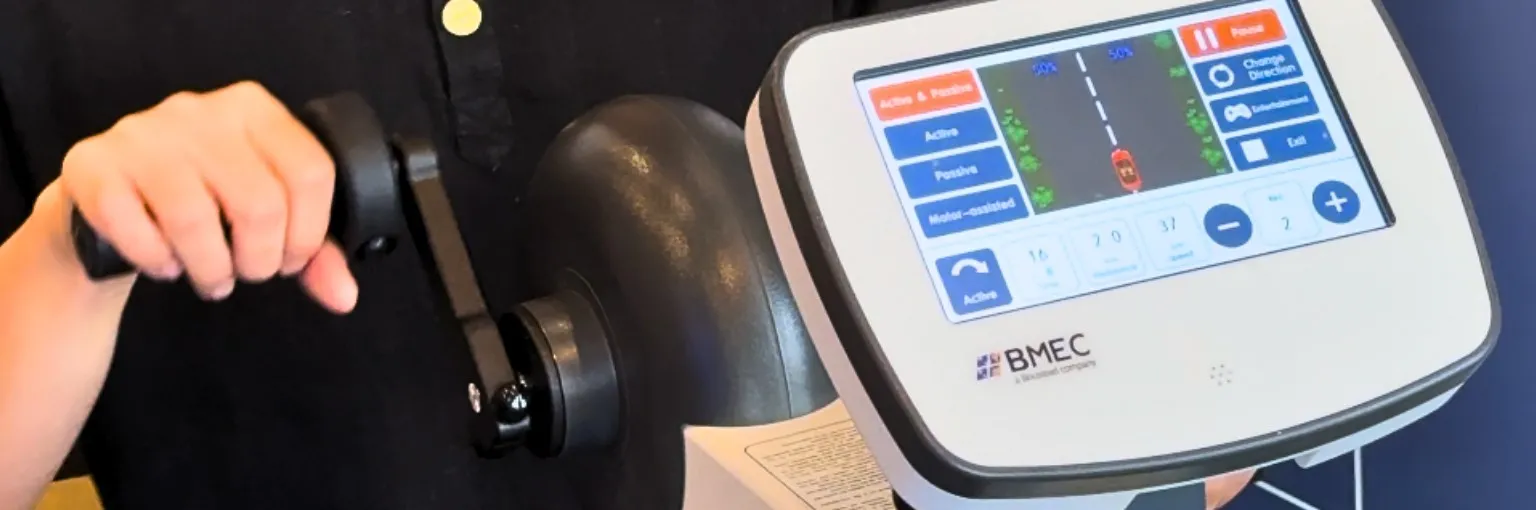
Rehabilitation devices can help deliver structured training with adjustable levels of assistance and resistance. This allows therapy to progress from passive movement to active exercise within the same system.
The BMEC K2000A Upper & Lower Limb Active and Passive Training Bike is designed for this purpose. It offers multiple training modes, including passive, power-assisted, active, and isokinetic exercise. The system also includes spasm protection and progress monitoring functions to support safer rehabilitation. Find out more about K2000A from us now: https://bmec.asia/my/bmec
More Information
- World Health Organization. Promoting Independence Following a Stroke: A Guide for Therapists and Professionals Working in Primary Health Care. WHO, 1999.
- World Health Organization. Rehabilitation. WHO Regional Office for Europe. Accessed August 20, 2026.
- World Health Organization. Clinical Guideline on Stroke Rehabilitation, section on upper-limb function and rehabilitation interventions.
- Zepu Medical. ZEPU-K2000A Upper and Lower Limb Active and Passive Exercise Rehabilitation Machine.
BMEC Pte Ltd