
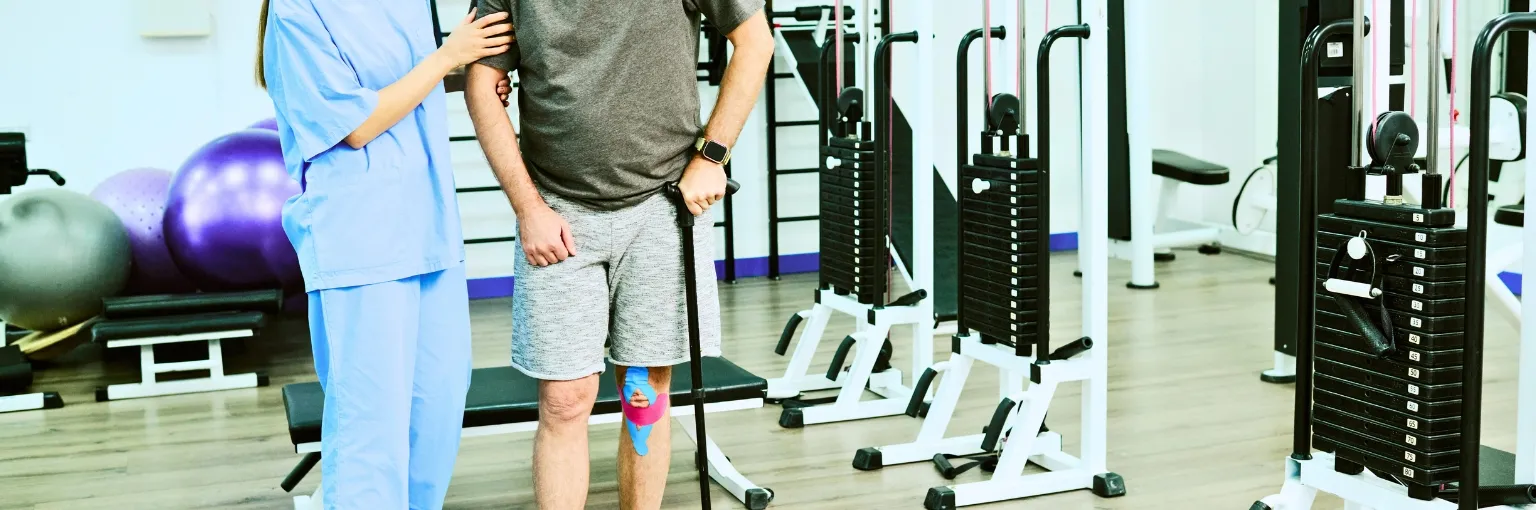
For individuals who have lost mobility due to spinal cord injury, stroke, or neurological conditions, the journey toward regaining movement can feel overwhelming. Traditional rehabilitation often requires extensive time, physical effort, and repetitive practice to retrain muscles and neural pathways. However, powered exoskeletons are transforming this landscape by offering wearable robotic support that facilitates upright standing and walking.
These devices assist with gait training by guiding leg movement and supporting body weight, allowing users to practice walking even when muscle strength is limited. They not only promote physical rehabilitation but also offer psychological benefits by giving patients a sense of independence and hope during recovery.
Enhancing Rehabilitation Outcomes with Exoskeletons
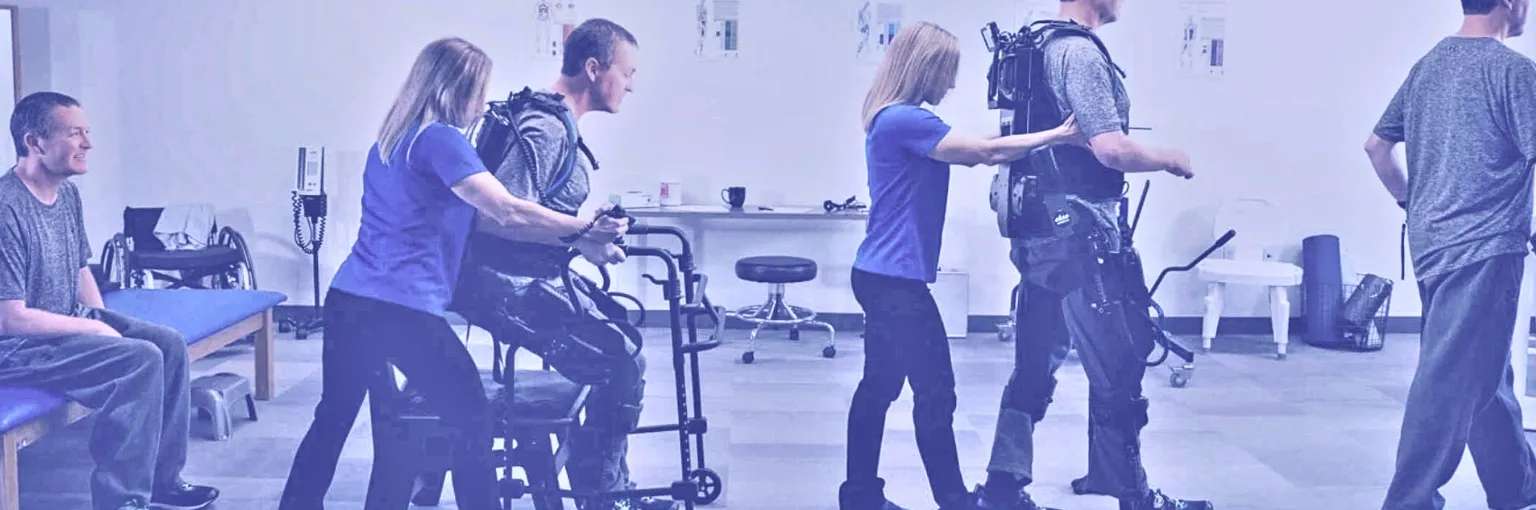
A growing body of evidence supports the effectiveness of exoskeleton rehabilitation in improving mobility outcomes. Studies show that patients who engage in exoskeleton-assisted gait training can achieve greater walking distances, improved balance, and enhanced endurance compared with conventional therapy alone. These gains are especially notable in people recovering from spinal cord injuries, stroke, and conditions such as multiple sclerosis.
In addition to physical improvements, exoskeleton use has been linked to better overall quality of life. Standing and walking upright can help maintain range of motion, reduce muscle atrophy, and support cardiovascular health. Psychological benefits also emerge as patients participate more fully in therapy, experience upright mobility, and interact at eye level with others, activities that can enhance self-confidence and emotional well-being.
Impact on Therapists & Rehabilitation Practice
Exoskeletons also benefit the rehabilitation team. Traditional gait training often requires multiple therapists to physically support a patient through walking practice, which can be physically demanding and increase the risk of injury for caregivers. Powered exoskeletons reduce the manual burden placed on therapists, freeing them to focus on guiding quality movement and adjusting therapy based on feedback from the device.
By automating some aspects of gait assistance and providing real-time biomechanical feedback, exoskeletons can improve therapy efficiency and potentially reduce healthcare costs over time. They enable therapists to deliver higher-intensity, more repetitive walking practice within a safe, controlled environment, an essential element for promoting neuroplasticity and functional recovery.
From Hospital to Home: A Continuum of Care
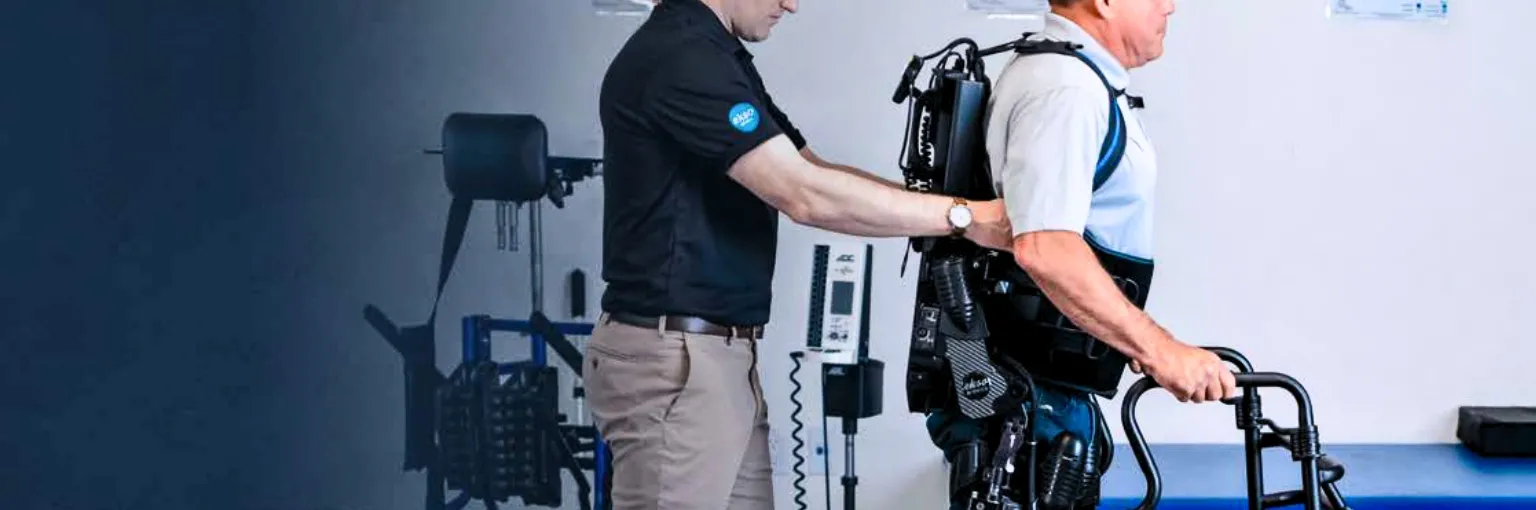
Exoskeleton technology can be integrated throughout the continuum of care. In inpatient rehabilitation settings, clinicians assess whether a patient is a candidate for exoskeleton gait training and tailor the therapy to the individual’s strength and goals. Early use of exoskeletons can help patients practice balance, weight shifting, and foundational gait patterns under close supervision.
Once patients transition to outpatient therapy, lighter and more adaptable exoskeleton models may be used to further refine walking mechanics and enhance independence. For some individuals, personal exoskeletons designed for community and home use allow continued mobility outside clinical settings, supporting ongoing practice of everyday activities like standing and walking, and contributing to both physical and mental health benefits.
Advancing Rehabilitation with Ekso Bionics EksoNR

The Ekso Bionics EksoNR is a robotic exoskeleton specifically designed for clinical rehabilitation to help patients relearn how to walk and regain functional mobility. As one of the first FDA-cleared exoskeletons for acquired brain injury, stroke, multiple sclerosis, and spinal cord injury, EksoNR offers an intuitive gait training platform that supports postural alignment and progressive walking practice in rehabilitation settings.
Equipped with advanced software like GaitCoach, EksoNR provides real-time insights and customisable support levels, enabling therapists to optimise gait quality and challenge patients appropriately. The system’s data capture features allow clinicians to track walking time, distance and speed over time, facilitating objective progress evaluation.
By combining robotic assistance with evidence-based rehabilitation strategies, EksoNR helps patients achieve meaningful gains in mobility and supports their transition toward greater independence.To know more about this exoskeleton device, visit our page now: https://bmec.asia/ekso-bionics
More Information
- From Hospital to Home: Using an Exoskeleton Across the Continuum of Care. Ekso Bionics. https://eksobionics.com/from-hospital-to-home-using-an-exoskeleton-across-the-continuum-of-care/
- How Effective Is Exoskeleton Rehabilitation? Ekso Bionics. https://eksobionics.com/how-effective-is-exoskeleton-rehabilitation/
- The Impact of Medical Exoskeletons on Patients and Physical Therapists. Ekso Bionics. https://eksobionics.com/the-impact-of-medical-exoskeletons-on-patients-and-physical-therapists/
- Ekso Bionics product page. https://eksobionics.com/eksonr/
Ekso Bionics / BMEC Pte Ltd