

Upper limb movements are not purely physical actions. They are closely tied to cognitive processes such as attention, planning, sequencing and problem-solving.
Everyday tasks like reaching for an object, opening a door, or manipulating tools require the brain to integrate sensory input, motor control, and decision-making. When neurological conditions such as stroke, traumatic brain injury, or nerve damage occur, this connection is often disrupted, affecting both movement quality and cognitive performance.
Impaired upper limb function can therefore limit more than physical independence. It can also slow cognitive recovery, as reduced movement leads to fewer opportunities for sensory feedback and motor learning. Rehabilitation that addresses upper limb movement in isolation may overlook this important interaction between the brain and body.
Why Integrated Motor & Cognitive Training Matters
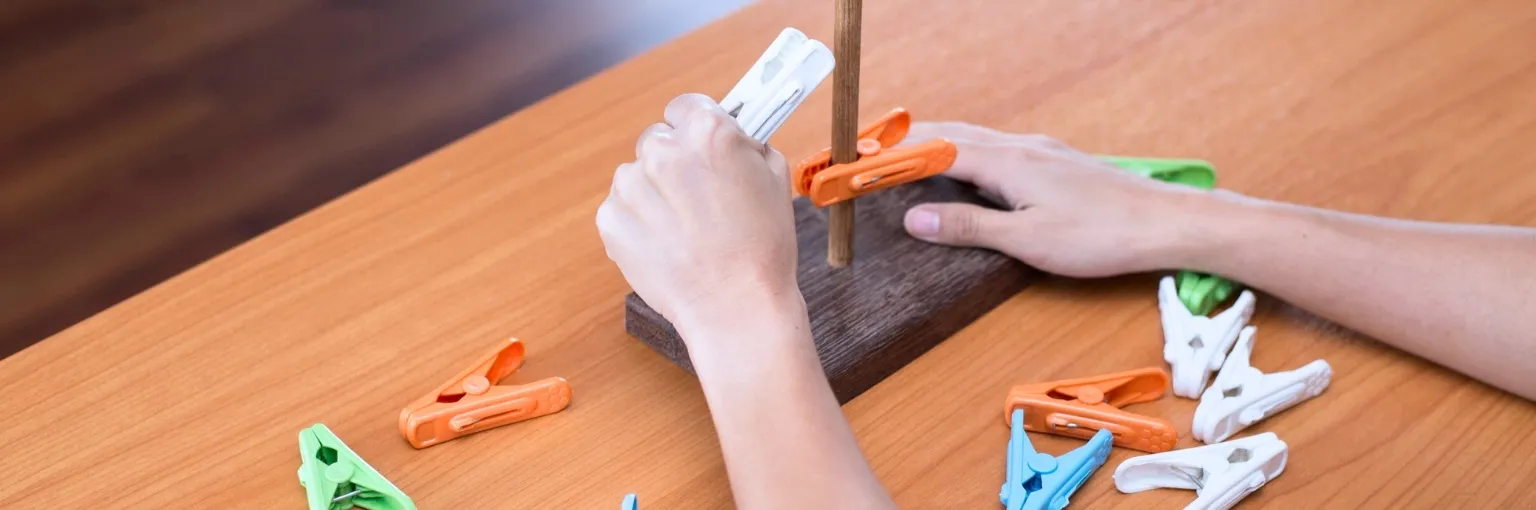
Motor recovery and cognitive rehabilitation are most effective when addressed together. Upper limb exercises that involve goal-oriented tasks, hand-eye coordination, and decision-making stimulate multiple brain regions simultaneously. These activities encourage neuroplasticity, helping the brain reorganise and form new connections after injury. For patients with cognitive impairments, combining movement with mental engagement supports improved attention, memory, and executive function.
Globally, millions of individuals live with cognitive disabilities following neurological injuries. For these patients, rehabilitation programs that integrate cognitive challenges into physical training are essential. They not only improve functional outcomes but also enhance motivation, engagement, and long-term participation in therapy.
The Role of Functional Evaluation in Rehabilitation
Effective rehabilitation begins with accurate evaluation. Understanding a patient’s range of motion, coordination, and movement control provides a foundation for personalised therapy planning. Precise measurement allows clinicians to identify limitations, monitor progress, and adjust interventions based on objective outcomes rather than observation alone.
Equally important is the ability to track changes over time. Automated data recording and comparison support evidence-based decision-making and help clinicians demonstrate measurable improvement. When evaluation and training are combined within a single system, rehabilitation becomes more efficient, consistent and outcome-driven.
Motivation Through Interactive Training

Patients with neurological impairments often experience frustration, fatigue or reduced confidence during rehabilitation. Interactive training environments can help overcome these challenges by transforming repetitive exercises into purposeful tasks. Motivational game-based activities encourage active participation and sustain attention, especially for patients with cognitive difficulties.
By incorporating tasks that require spatial awareness, coordination and goal completion, therapy sessions become more engaging and meaningful. This approach not only improves adherence but also reinforces the cognitive aspects of upper limb movement, supporting holistic recovery.
Advancing Upper Limb & Cognitive Rehabilitation with BMEC SG3

The BMEC SG3 is a comprehensive functional rehabilitation evaluation and training system designed to address the close relationship between upper limb movement and cognitive function. Built on international standard evaluation methods, SG3 uses precise hardware and fast, accurate data collection to assess upper limb range of motion and functional performance.
With adjustable configurations and multiple connection accessories, SG3 accommodates a wide range of upper limb movements, from gross motor actions to fine, precise control. Beyond physical recovery, the device also facilitates cognitive training through games focused on attention, spatial discrimination, hand-eye coordination and goal-oriented movement. Keen to know more about SG3? Visit our page now: https://bmec.asia/bmec
More Information
- BMEC. BMEC SG3 Functional Rehabilitation Evaluation and Training System, Product Information and Features.
- BMEC. BMEC-SG3 Upper Limb and Cognitive Rehabilitation Introduction, Video Script.
- BMEC. SG3 Functional Evaluation, Cognitive Training Capabilities, and Software Overview.
- Internal reference covering evaluation methods, accessories, data tracking, and cognitive training functions.
BMEC Pte Ltd