

In pediatric healthcare, communication plays a vital role in shaping patient outcomes. Unlike adult patients, children often struggle to express discomfort, fear, or symptoms clearly. Their emotional responses, developmental stage, and reliance on caregivers can significantly influence how they perceive medical care.
When clinicians can confidently explain procedures, respond to concerns, and demonstrate empathy, it reduces anxiety and improves adherence to treatment plans. Ultimately, communication becomes a foundational skill that directly affects clinical efficiency, patient satisfaction and recovery outcomes.
How Communication Impacts Clinical Outcomes in Pediatrics

Effective communication has been shown to improve diagnostic accuracy, reduce medical errors and enhance patient cooperation. In pediatric settings, clear communication helps clinicians interpret both verbal and non-verbal cues, especially when young patients are unable to fully articulate their symptoms. This is particularly important in emergency and acute care scenarios, where rapid assessment and reassurance are essential.
Additionally, communication skills influence how well healthcare professionals manage emotionally sensitive situations, such as calming anxious children before procedures. When clinicians demonstrate confidence and empathy, children are more likely to cooperate, allowing procedures to be performed more safely and efficiently. This ultimately leads to improved clinical outcomes and a more positive healthcare experience for both patients and families.
Developing Communication Skills Through Simulation-Based Training
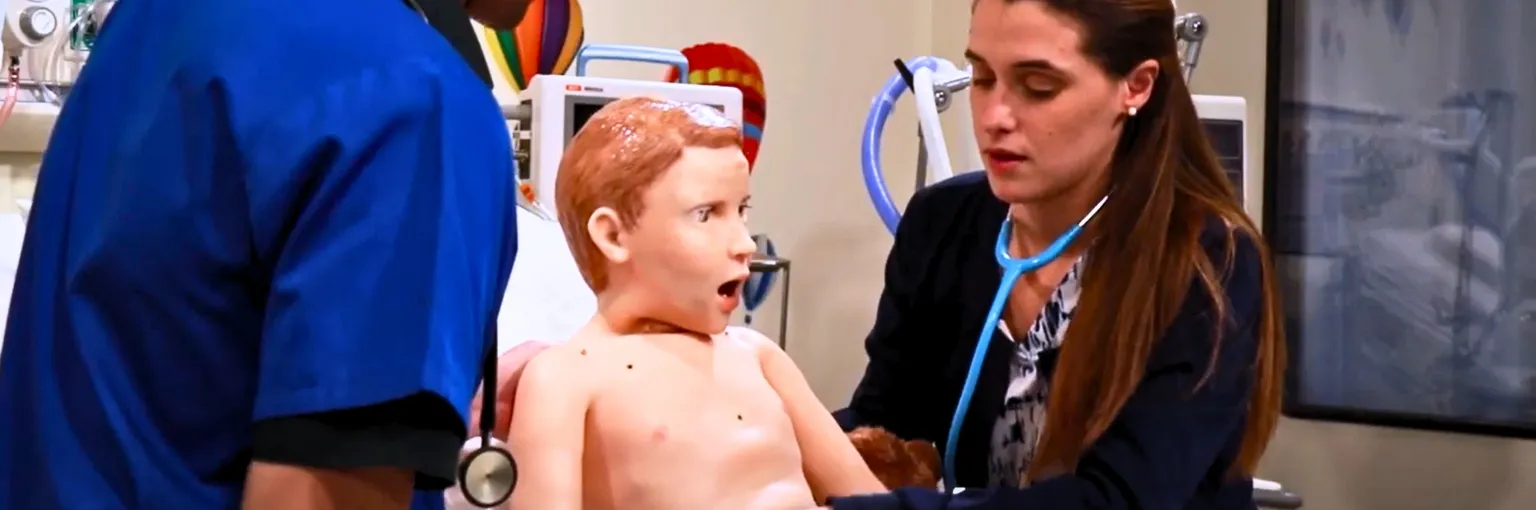
Simulation-based education has become a powerful tool for developing pediatric communication skills. It allows healthcare professionals to practice real-life scenarios in a safe, controlled environment without risk to actual patients. Through simulation, learners can improve their verbal communication, body language, situational awareness, and decision-making skills while receiving immediate feedback.
These simulated encounters help clinicians understand how children react emotionally and behaviorally to medical interactions. They also provide opportunities to practice teamwork, family-centered communication, and crisis management. By repeatedly engaging in realistic scenarios, healthcare providers gain confidence and competence that directly translate into improved patient interactions in real clinical settings.
The Role of Realistic Pediatric Simulation in Communication Training
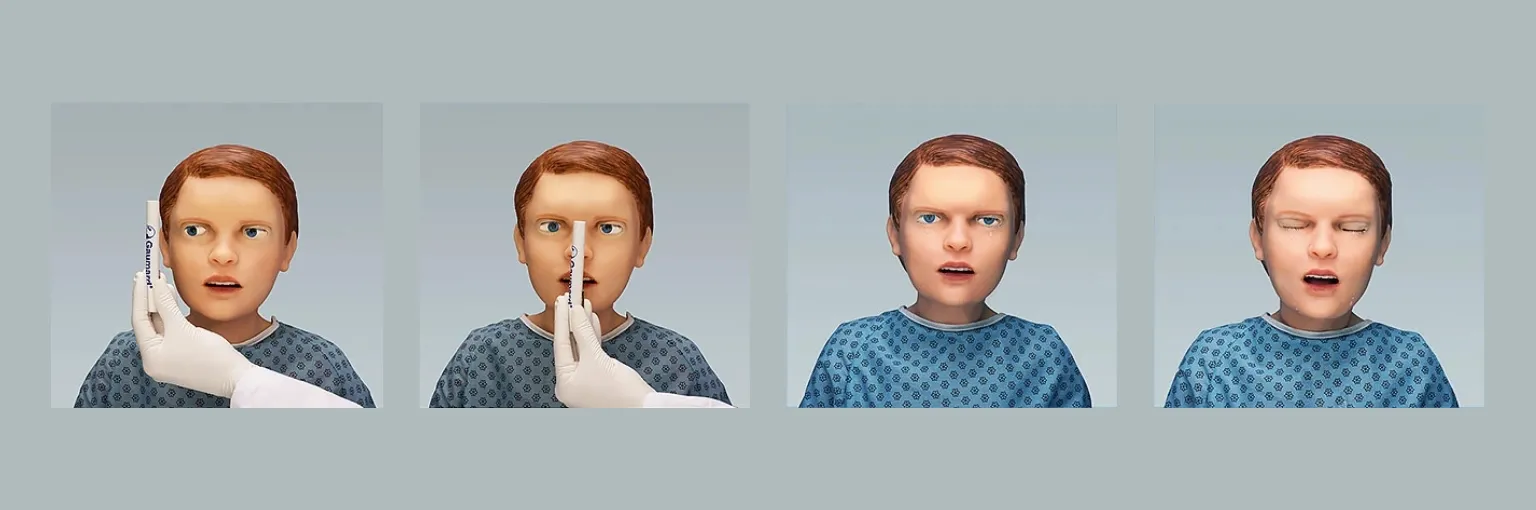
High-fidelity pediatric simulators enhance training by replicating realistic physiological responses, facial expressions, and behavioral cues. These features allow learners to observe how their communication style affects a child’s emotional state and physical response. The ability to simulate fear, pain, or distress creates valuable teaching moments that cannot be replicated through textbooks or lectures alone.
Simulation also supports standardised training across institutions, ensuring consistent skill development among healthcare teams. It enables educators to assess performance objectively while encouraging reflective learning, which is essential for continuous improvement in pediatric care delivery.
Enhancing Pediatric Training with the Gaumard Pediatric HAL
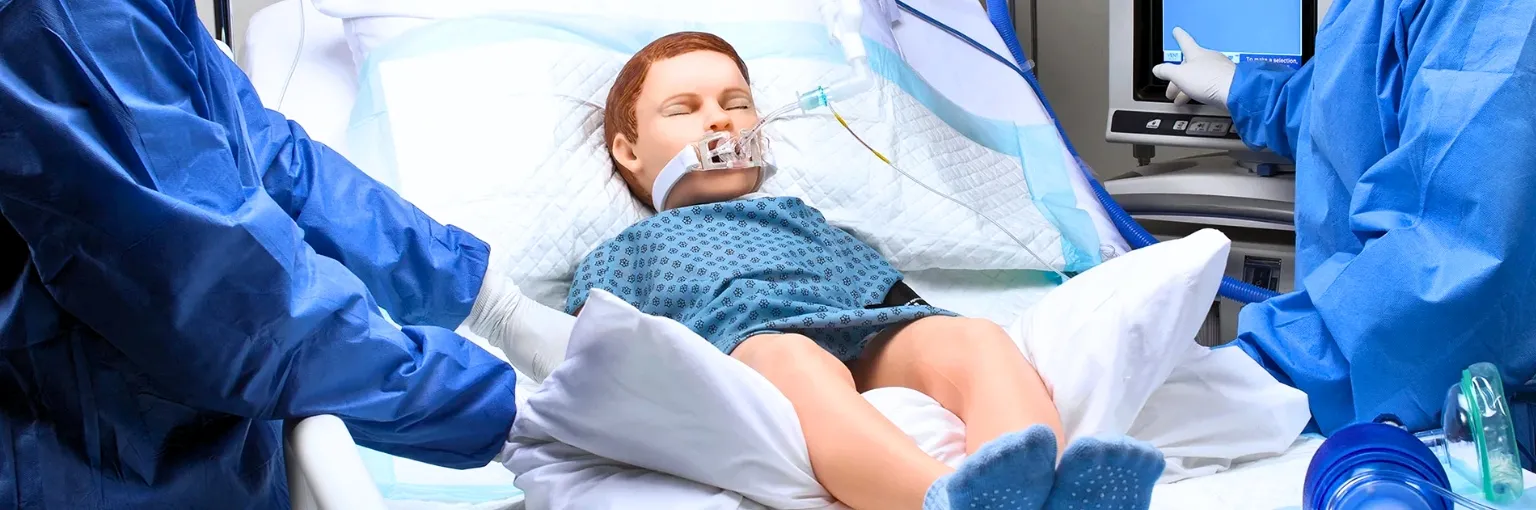
The Gaumard Pediatric HAL (S2225) is a high-fidelity pediatric patient simulator designed to support comprehensive training in both clinical and communication skills. HAL can simulate realistic physiological responses, emotional expressions, and verbal interactions, making it an ideal tool for practicing pediatric communication in real-world scenarios.
With features such as programmable vital signs, expressive facial movements, and interactive responses, Pediatric HAL allows clinicians to engage in realistic patient interactions while developing critical skills such as empathy, clinical judgment, and effective communication. The system supports scenario-based learning for assessments, emergency response, and routine pediatric care.
By integrating advanced simulation technology with communication-focused training, Pediatric HAL helps healthcare professionals improve pediatric patient outcomes while building confidence and competence in clinical practice. To know more about Gaumard’s Pediatric HAL, visit our page now: https://bmec.asia/gaumard
More Information
- Bermudez, E. How to Improve Pediatric Patient Outcomes by Developing Communication Skills. Gaumard Scientific Blog. https://blog.gaumard.com/how-to-improve-pediatric-patient-outcomes-by-developing-communication-skills/
- Gaumard Scientific. Pediatric HAL® S2225 – Advanced Pediatric Patient Simulator. https://www.gaumard.com/hal-s2225
Eddy Bermudez, Copy Writer & Editor at Gaumard Scientific