
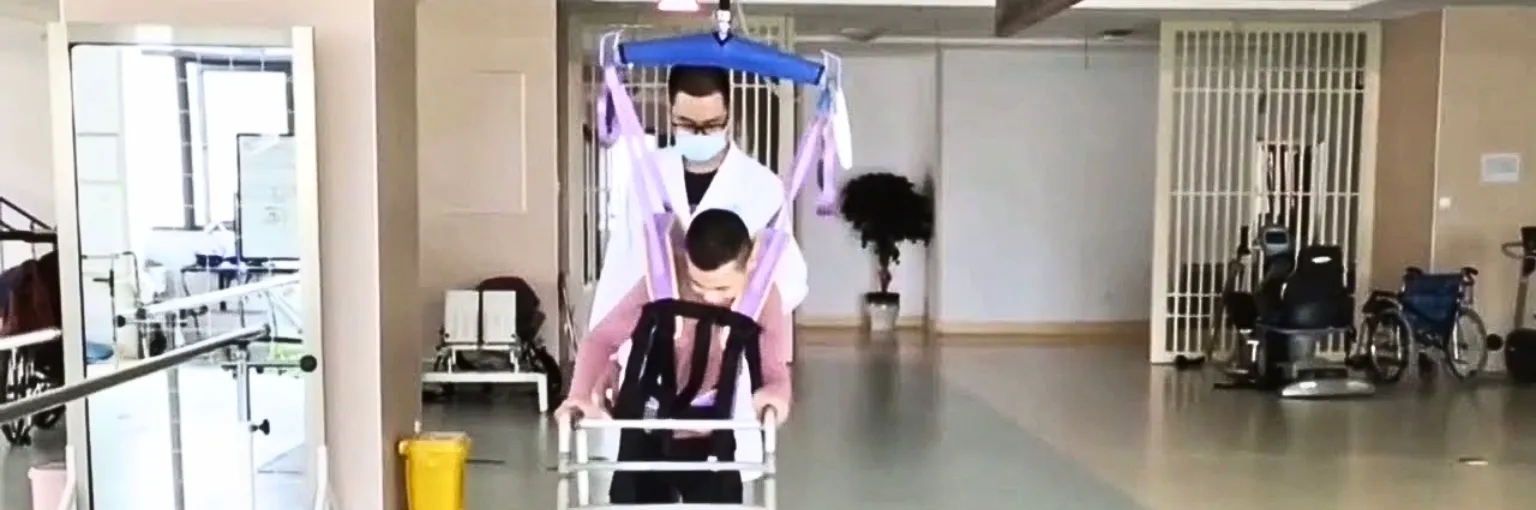
Regaining mobility after neurological injuries, musculoskeletal conditions, or surgery can be physically demanding and challenging for patients. Many individuals experience muscle weakness, poor balance, or limited weight-bearing ability during the early stages of recovery, making conventional gait and mobility training difficult. Body-weight support systems have become an important solution in modern rehabilitation by allowing patients to begin movement training safely and earlier in the recovery process.
By partially unloading body weight, these systems reduce stress on the joints and lower limbs while enabling patients to practise standing, walking, and functional movements with greater confidence. This early mobility training helps prevent complications associated with prolonged immobility, including muscle atrophy, joint stiffness, and reduced cardiovascular endurance. At the same time, it encourages active participation and promotes more effective rehabilitation outcomes.
Enhancing Safety & Confidence During Gait Training
One of the key benefits of body-weight support systems is the added safety they provide during rehabilitation exercises. Patients who are at risk of falls or instability can practise walking and movement training within a controlled environment while therapists maintain close supervision. This reduces the fear of falling, which is often a major barrier to participation and recovery.
For therapists, these systems also reduce the physical strain associated with manual gait assistance. Instead of physically supporting the patient throughout training, therapists can focus more on correcting movement patterns, improving posture, and guiding functional exercises. This improves the efficiency of rehabilitation sessions while allowing for longer and more intensive training durations.
Versatility in Functional Rehabilitation Applications
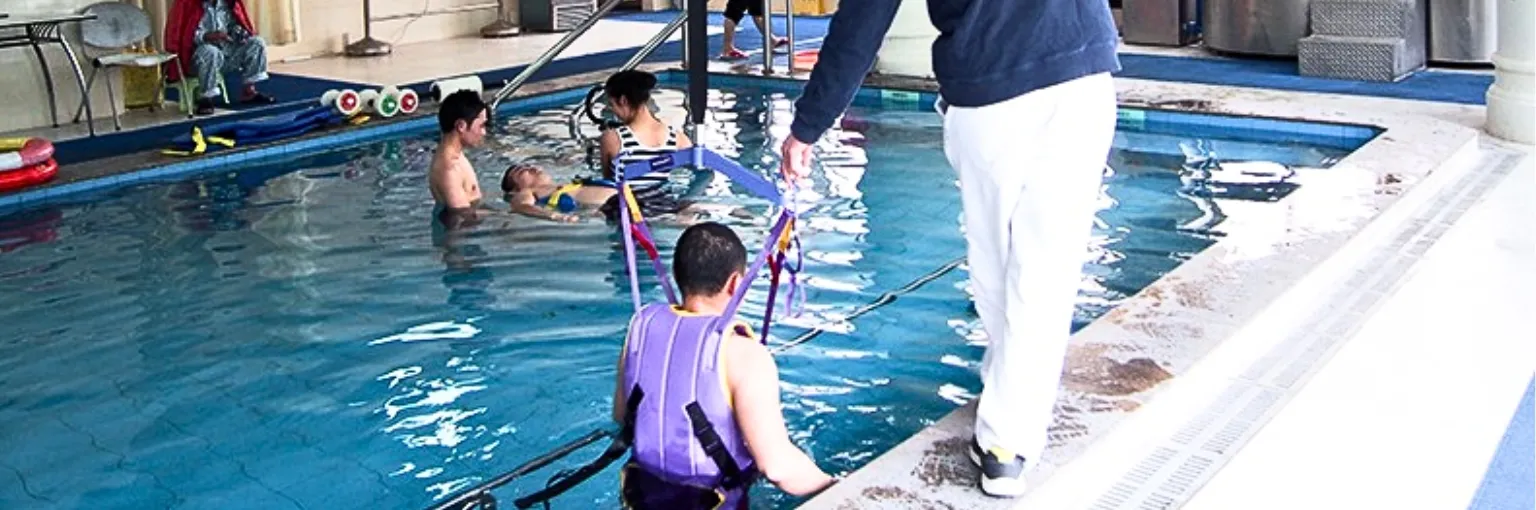
Modern body-weight support systems are designed to support a wide range of rehabilitation activities beyond walking alone. Depending on the patient’s needs, they can be used for standing exercises, balance training, sit-to-stand practice, stair training, and overground gait rehabilitation. Their flexibility allows therapists to tailor rehabilitation programs according to different functional goals and stages of recovery.
These systems are commonly used in neurological rehabilitation for patients recovering from stroke, spinal cord injuries, traumatic brain injuries, and other mobility impairments. By enabling repetitive and task-specific movement training, body-weight support systems help stimulate neuromuscular recovery and improve functional independence over time.
Advancing Rehabilitation with the Sky Track
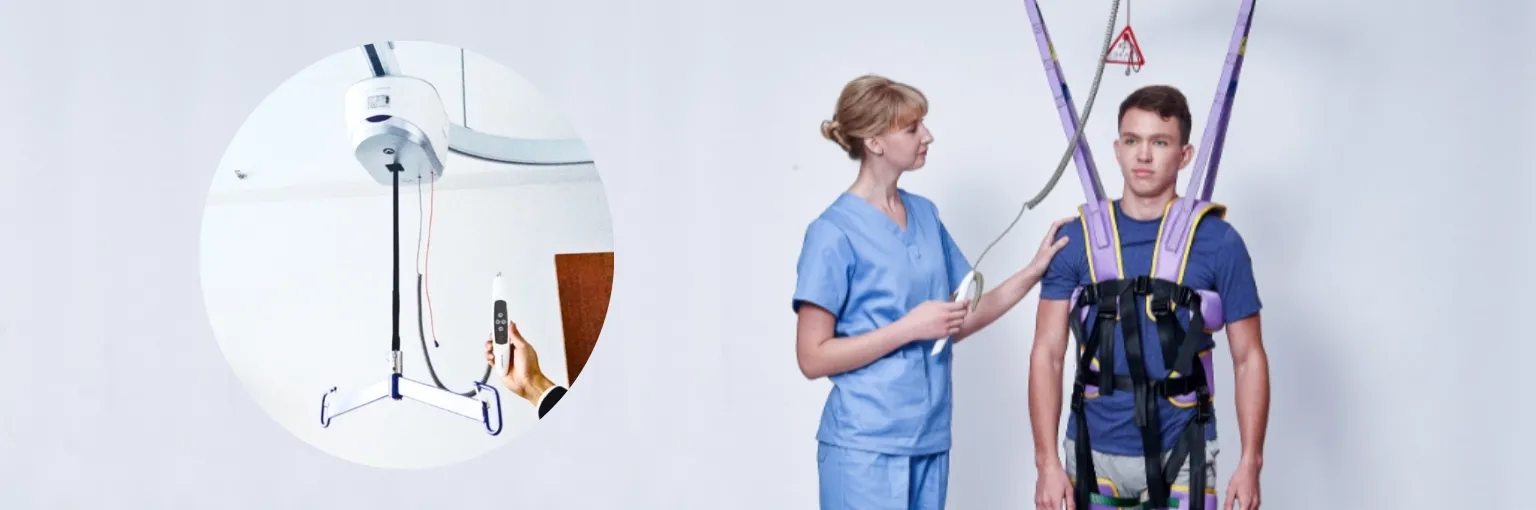
The Sky Track smart body-weight support system is designed to provide safe and effective rehabilitation support for gait and mobility training. Its overhead track system allows patients to move freely within the training area while receiving stable body-weight support, enabling more natural walking patterns and functional movement practice.
Compatible with different rehabilitation environments and training configurations, the Sky Track supports various therapeutic applications including gait training, transfer training, balance exercises, and walking rehabilitation. By improving safety, reducing therapist burden, and encouraging active patient participation, the Sky Track plays an important role in helping patients regain mobility and confidence throughout their rehabilitation journey. For more information on Sky Track, visit our page now: https://bmec.asia/humaneotec
More Information
- Rehabilitation Exercise Series – Sky Track. https://www.humaneotec.com/en/product/product_series/Rehabilitation_exercise/content-54-5-1.html
Humaneotec, BMEC Pte Ltd