
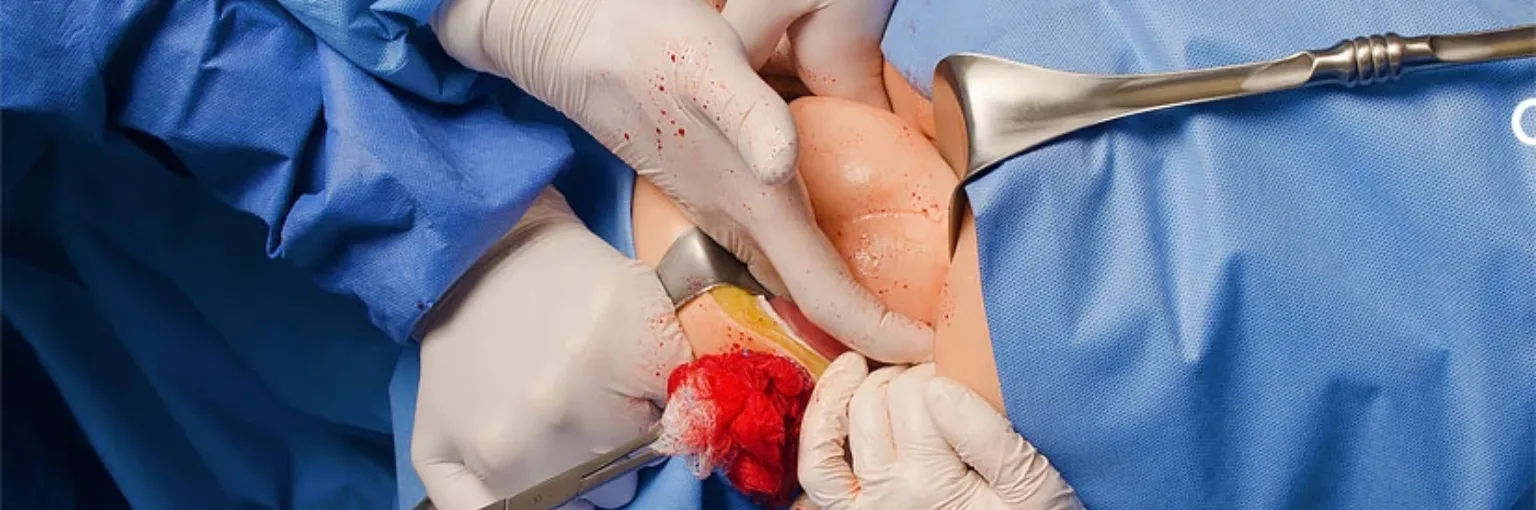
Obstetric emergencies such as shoulder dystocia, breech deliveries, postpartum haemorrhage, and emergency Caesarean sections are relatively uncommon but can rapidly become life-threatening for both mother and baby. Because these events occur infrequently, many healthcare professionals have limited opportunities to gain hands-on experience before encountering them in clinical practice. This makes simulation-based education an invaluable component of obstetric training, allowing learners to develop essential skills in a safe, controlled environment.
High-fidelity patient simulators provide realistic clinical scenarios that encourage participants to apply their knowledge, communicate effectively, and make timely decisions under pressure. By recreating complex labour and delivery situations without risk to real patients, simulation enables multidisciplinary teams to build confidence before managing actual obstetric emergencies.
Preparing for High-Risk Deliveries with Realistic Simulation
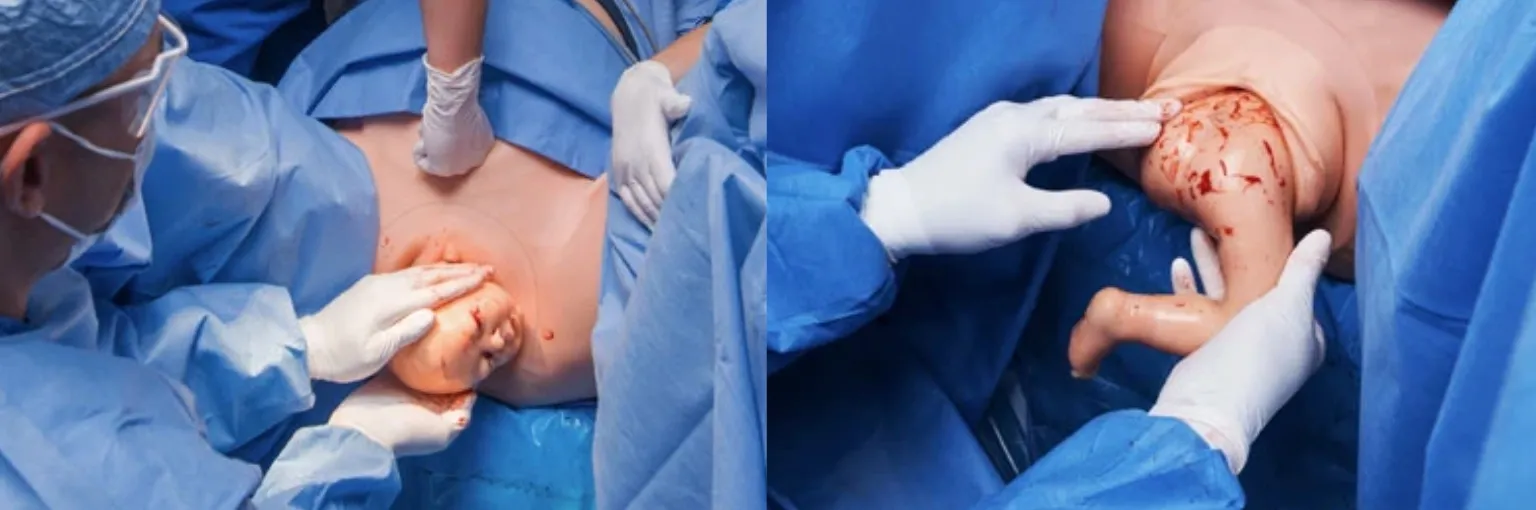
Successful management of obstetric emergencies requires more than technical knowledge, it demands rapid clinical judgement and familiarity with emergency procedures. Patient simulators make it possible to rehearse these skills repeatedly through lifelike scenarios that closely resemble real labour and delivery events. This deliberate practice helps learners develop muscle memory while improving communication and role coordination among obstetricians, nurses, midwives, anaesthetists, and neonatal teams.
Modern simulators can accurately reproduce a wide range of obstetric complications, including shoulder dystocia, breech deliveries, postpartum haemorrhage, and emergency Caesarean sections. Learners are able to perform recognised clinical manoeuvres, monitor maternal and fetal conditions, and evaluate patient responses in real time. This immersive approach bridges the gap between classroom learning and real-world clinical practice, ensuring healthcare professionals are better prepared for high-risk events.
Building Competency Through Repetition & Objective Feedback
One of the greatest advantages of simulation is the opportunity for repeated practice without compromising patient safety. Learners can repeat complex procedures until they become proficient, allowing educators to reinforce best practices while correcting errors in a supportive learning environment.
Advanced patient simulators also provide objective performance feedback through integrated sensors. Educators can monitor learner actions, review procedural techniques, and conduct structured debriefing sessions that reinforce learning outcomes. Standardised simulation scenarios further ensure consistency across training programmes, helping institutions deliver high-quality obstetric education while improving preparedness for real emergencies.
Advancing OB Emergency Training with Gaumard VICTORIA®
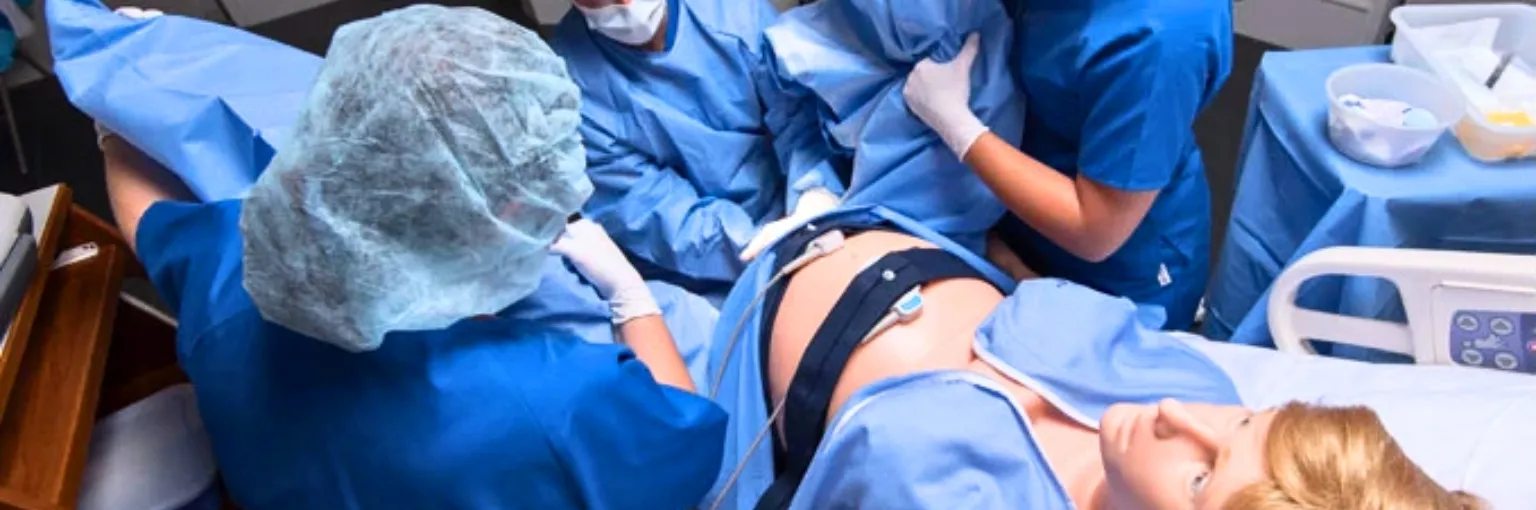
The Gaumard VICTORIA® is a high-fidelity maternal and neonatal patient simulator designed to support comprehensive obstetric education, from routine labour management to complex emergency scenarios.
VICTORIA realistically simulates shoulder dystocia, breech, and Caesarean section deliveries, enabling healthcare professionals to practise evidence-based obstetric manoeuvres using anatomically accurate models. Integrated sensors provide real-time feedback on participant performance, while programmable physiological responses create highly immersive learning experiences. Learn more about VICTORIA® by visiting our page now: https://bmec.asia/gaumard
More Information
- Gaumard Scientific. VICTORIA® S2200 Advanced Maternal and Neonatal Birthing Simulator. https://www.gaumard.com/s2200-victoria-childbirth-simulator
- Gaumard Scientific. Adelphi University Welcomes VICTORIA High-Fidelity Birthing Simulator into Their Nursing Program. Gaumard Blog. https://blog.gaumard.com/adelphi-university-welcomes-victoria-high-fidelity-birthing-simulator-into-their-nursing-program/
Gaumard Scientific, BMEC Pte Ltd