

Anterior Cruciate Ligament (ACL) injuries are among the most common knee injuries experienced by athletes and physically active individuals. Whether treated surgically or conservatively, recovery requires a structured rehabilitation programme that restores strength, stability and neuromuscular control. Without proper rehabilitation, patients may experience reduced functional performance and an increased risk of reinjury when returning to sports or everyday activities.
One of the greatest challenges during ACL rehabilitation is rebuilding muscle strength without placing excessive stress on the healing knee joint. As rehabilitation progresses, clinicians must carefully balance protection of the injured tissues with progressive strengthening exercises that restore function safely and effectively. This is where isokinetic rehabilitation has become an invaluable component of modern ACL recovery.
Why Isokinetic Training Makes a Difference
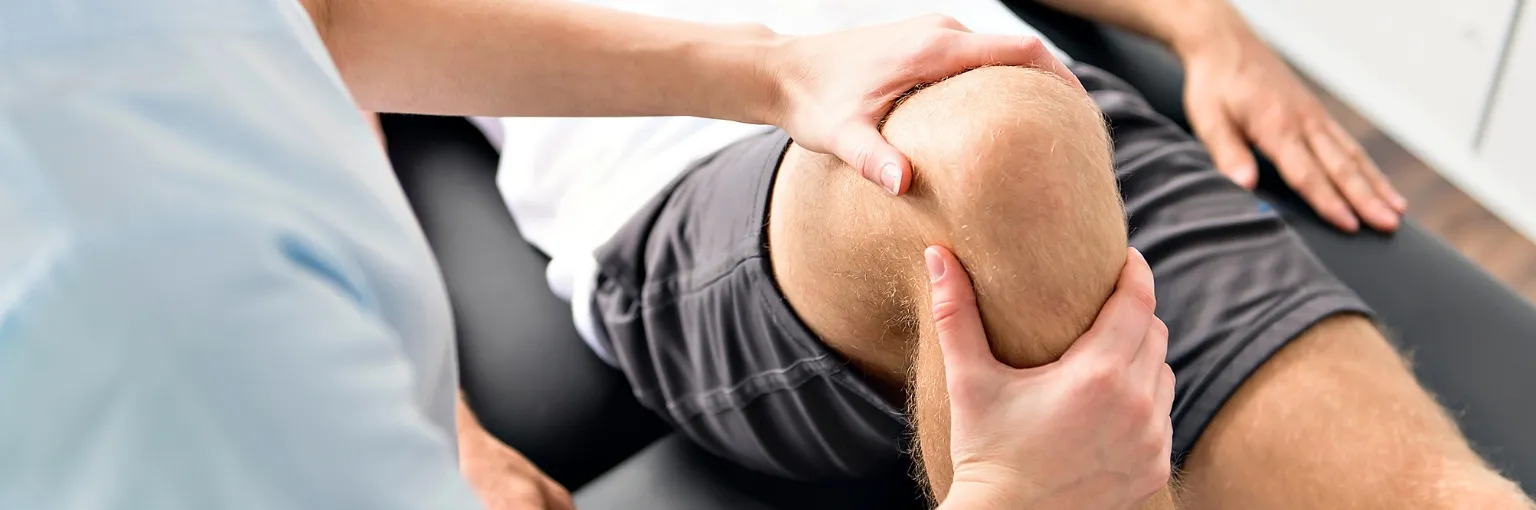
Unlike conventional resistance training, isokinetic exercise allows the limb to move at a constant angular velocity while automatically adjusting resistance to match the patient’s effort throughout the entire range of motion. This means that resistance is only applied according to the amount of force the patient can safely generate at each point in the movement, minimising unnecessary joint stress while maximising muscle activation.
This unique approach makes isokinetic rehabilitation particularly beneficial following ACL injuries. Patients can strengthen the quadriceps and hamstring muscles in a controlled environment while reducing the risk of overloading healing structures. Because resistance adapts continuously, muscles remain challenged throughout the movement rather than only at certain points, resulting in more balanced strength development.
Objective Assessment for Better Recovery Outcomes
Successful ACL rehabilitation depends not only on exercise but also on accurate assessment. Isokinetic systems provide objective measurements of muscle performance, allowing clinicians to evaluate parameters such as peak torque, muscle endurance, power output, and strength symmetry between the injured and uninjured limbs. These quantitative measurements offer valuable insights that cannot be obtained through manual muscle testing alone.
The ability to track rehabilitation progress using objective data enables clinicians to make evidence-based decisions throughout recovery. By identifying muscle deficits, monitoring improvements, and comparing bilateral strength, therapists can personalise treatment programmes and determine whether patients are ready to progress to higher-level activities or safely return to sport. This data-driven approach improves both rehabilitation quality and clinical confidence.
Advancing ACL Rehab with System 4 Pro
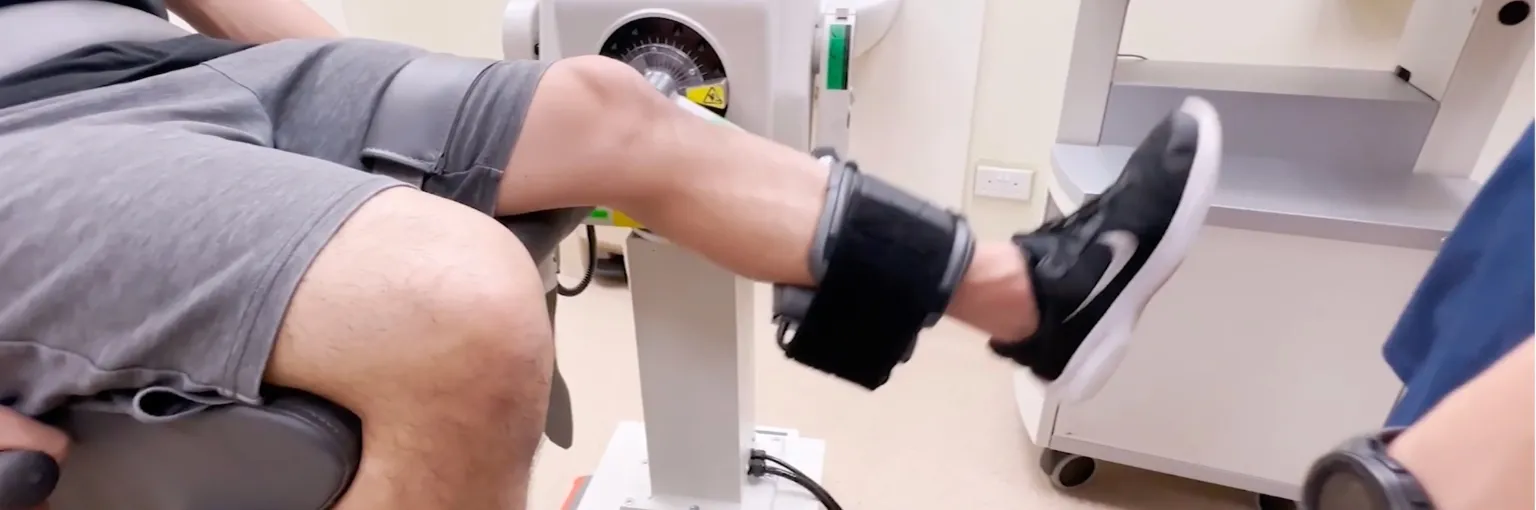
The Sport Medical System 4 Pro is designed to support comprehensive musculoskeletal assessment and rehabilitation across a wide range of clinical and sports medicine applications. Combining highly accurate strength testing with multiple exercise modes, the system enables clinicians to evaluate muscle performance while delivering personalised rehabilitation programmes that meet each patient’s stage of recovery. To learn more about this advanced isokinetic dynamometer, visit our page now: https://bmec.asia/my/sport-medical/
More Information
- Sport Medical Systems. Isokinetic Systems. https://smti.co/our-products/isokinetic-systems
- Sport Medical Systems. System 4 Pro Product Page. https://smti.co/products/system-4-pro
Sport Medical Technology, Inc., BMEC Pte Ltd