
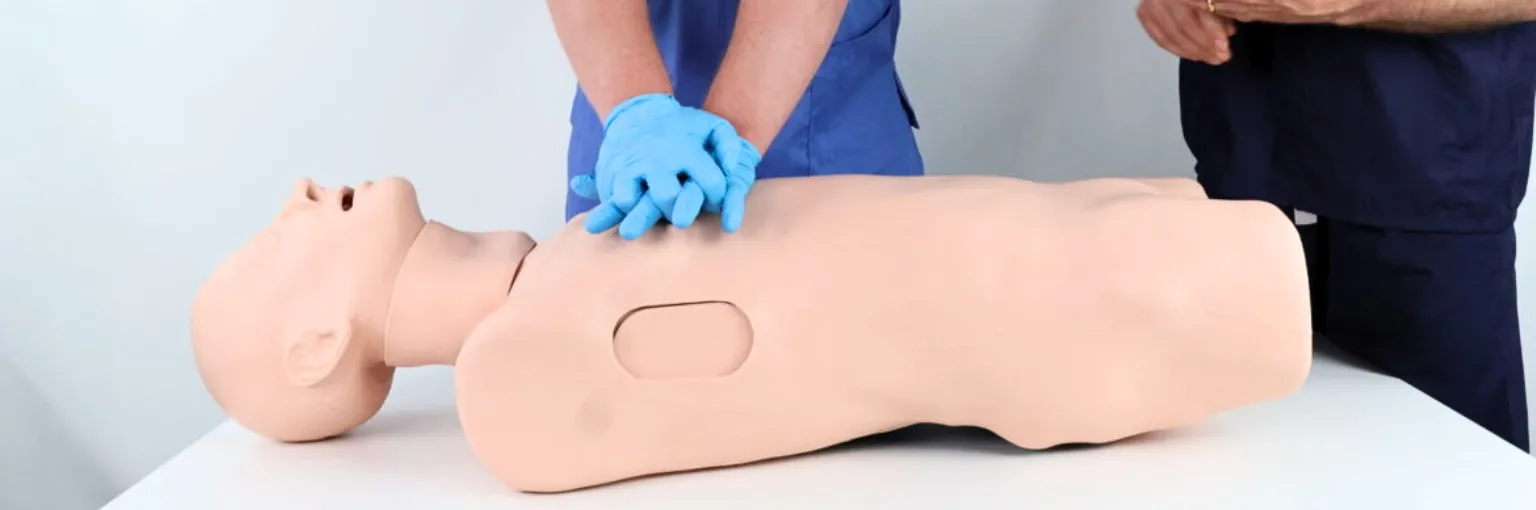
Trauma emergencies are among the most demanding situations healthcare professionals encounter. Whether responding to severe injuries in the emergency department, managing a deteriorating patient, or performing life-saving interventions in prehospital settings, clinicians must act quickly, confidently, and accurately under pressure. The ability to assess, prioritise, and intervene effectively can significantly impact patient outcomes.
However, gaining experience in trauma management can be challenging. Real-life trauma cases are unpredictable, and opportunities for learners to practise critical procedures may be limited. Traditional training methods often rely on theoretical instruction or occasional clinical exposure, which may not provide sufficient hands-on experience to build competence and confidence. This has led to a growing emphasis on simulation-based education as a safe and effective way to prepare healthcare professionals for high-stakes scenarios.
The Value of Realistic Simulation in Trauma Education
Simulation training allows learners to develop and refine clinical skills without placing patients at risk. By recreating realistic emergency scenarios, healthcare professionals can practise assessment techniques, decision-making, communication, and procedural skills in a controlled environment. This repetitive and experiential learning approach helps bridge the gap between classroom knowledge and real-world clinical practice.
Realism is particularly important in trauma training. When simulators accurately replicate human anatomy and physiological responses, learners can experience procedures and challenges that closely resemble actual patient encounters. This not only improves technical proficiency but also enhances critical thinking and teamwork, enabling participants to perform more effectively when faced with real emergencies.
Building Competency in Airway and Emergency Procedures
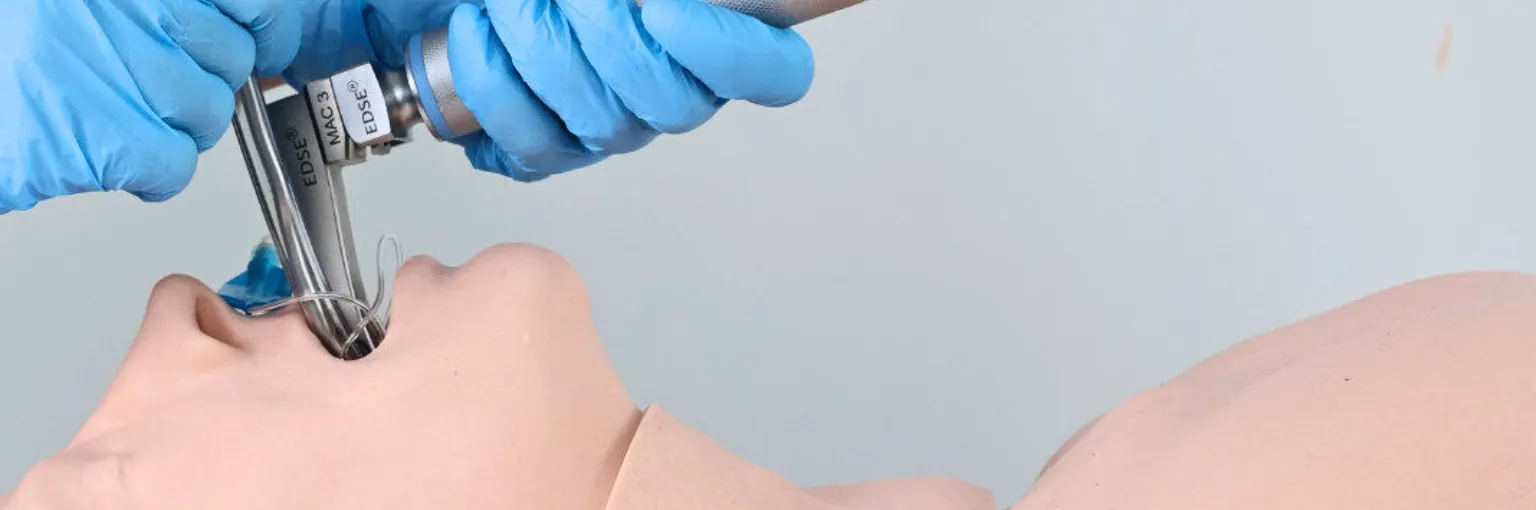
Airway management remains one of the most critical skills in trauma care. Failure to establish and maintain a secure airway can quickly become life-threatening, making it essential for healthcare professionals to practise a range of airway techniques before encountering real patients. Simulation-based training provides opportunities to develop these skills repeatedly until competency is achieved.
Beyond airway management, trauma education often involves training in procedures such as chest decompression, chest drain insertion, intravenous access, and patient assessment. High-fidelity simulators enable learners to perform these interventions in a realistic setting, allowing educators to create comprehensive scenarios that challenge both technical and non-technical skills. As a result, healthcare professionals become better prepared to manage complex emergencies with greater confidence and efficiency.
Advancing Trauma Training with the TruCorp TruMan®
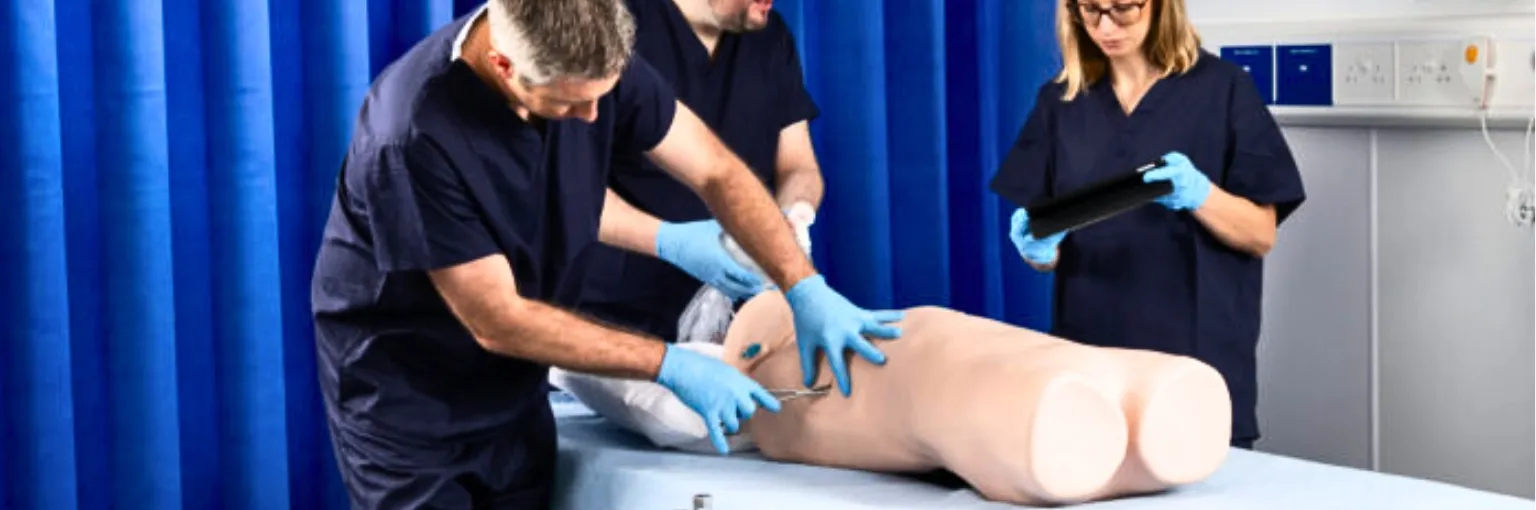
The TruCorp TruMan® Trauma Adult Simulator is designed to support advanced trauma and emergency care training through highly realistic procedural simulation. Featuring anatomically accurate airway structures and multiple trauma intervention capabilities, the simulator allows learners to practise essential skills including airway management, intubation, chest decompression, needle thoracostomy, chest tube insertion, and intravenous access.
To learn more about the TruCorp TruMan®, visit our page now: https://bmec.asia/trucorp
More Information
- TruMan® Trauma Adult Simulator Product Page. https://trucorp.com/product/truman-trauma-adult/
- Introducing TruMan® Trauma Adult. https://trucorp.com/introducing-truman-trauma-adult/
TruCorp, BMEC Pte Ltd