
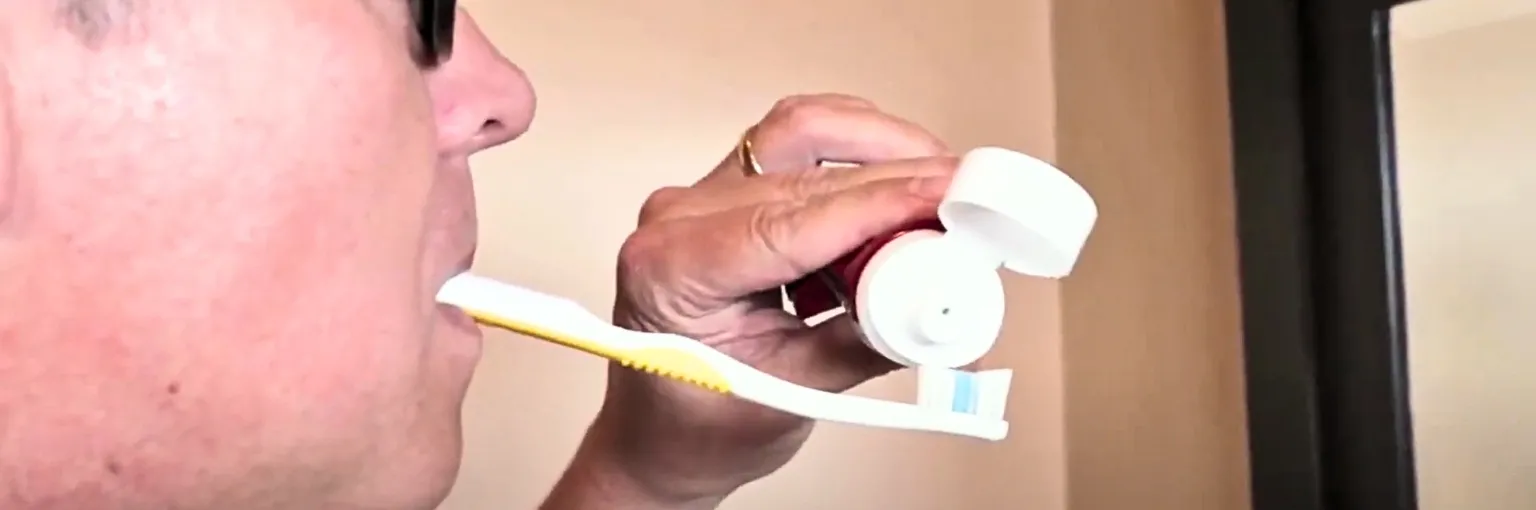
Spasticity is a neuromuscular condition that often follows a stroke, resulting from damage to the brain or spinal cord pathways that control voluntary movement. This damage leads to abnormally high muscle tone or stiffness, causing muscles to contract involuntarily.
For stroke survivors, spasticity in the hands can result in painful muscle spasms, involuntary movements, and flexed fingers that limit functional tasks like grasping or releasing objects. Left unmanaged, the condition can worsen over time, leading to joint deformities and permanent loss of function.
Beyond the physical discomfort, hand spasticity can severely affect a person’s ability to perform daily living activities. Tasks like eating, dressing, or writing become frustrating and difficult, eroding self-esteem and independence. Caregivers may also face increased stress as patients become more reliant on assistance for even the most basic needs.
While traditional treatments like oral medications, passive stretching, and orthotics offer some relief, they often fall short in improving active function or promoting long-term recovery.
Functional Electrical Stimulation: A Game-Changer in Rehab

Functional Electrical Stimulation (FES) has emerged as an effective therapy for managing spasticity and regaining hand mobility. By applying targeted electrical pulses to specific muscles, FES activates motor units in a way that mimics voluntary movement.
Over time, this stimulation can help retrain the nervous system, reduce muscle stiffness, and increase the user’s ability to perform coordinated tasks. Importantly, FES supports neuroplasticity, the brain’s ability to rewire itself, which is crucial for functional recovery after a stroke.
FES not only reduces spastic tone but also helps improve strength, prevent muscle atrophy, and maintain joint flexibility. With consistent use, patients often experience enhanced range of motion, better motor control, and improved hand coordination. Compared to passive interventions, FES offers a dynamic and patient-driven path toward rehabilitation, especially when integrated into daily routines.
ReGrasp: A Smarter Way to Regain Hand Function

One standout solution in the realm of FES therapy is the Rehabtronics ReGrasp Rehabilitation Glove. Developed based on over 30 years of research, ReGrasp is a clinically validated FES system that supports patients with upper limb paralysis and spasticity.
The glove delivers low-energy electrical stimulation to the forearm muscles responsible for finger movement, enabling users to perform key hand functions such as grasping, releasing, and pinching. Its user-friendly design includes wireless head-motion control, making it easy for patients to use the system independently, whether in clinical settings or at home.
Real-world results speak volumes. Many users have reported significant gains in daily functionality, from opening their hands during fatigue-induced tone spikes to regaining the ability to complete light household chores. Therapists praise ReGrasp for its effectiveness and ease of integration into therapy sessions, noting that the pre-programmed modes and intuitive setup save time while maximising clinical outcomes.
Practical, Portable & Personalised Rehabilitation
ReGrasp is designed for both simplicity and versatility. The glove is washable, comfortable to wear, and adaptable to different hand sizes and conditions. Whether used in therapy centers or during home rehabilitation, its compact design and straightforward interface mean minimal training is required.
The preloaded stimulation sessions only take five to ten minutes to set up, allowing users to incorporate therapy into their daily lives without added stress. This convenience makes ReGrasp an accessible and sustainable solution for long-term spasticity management.
A Future of Empowered Recovery
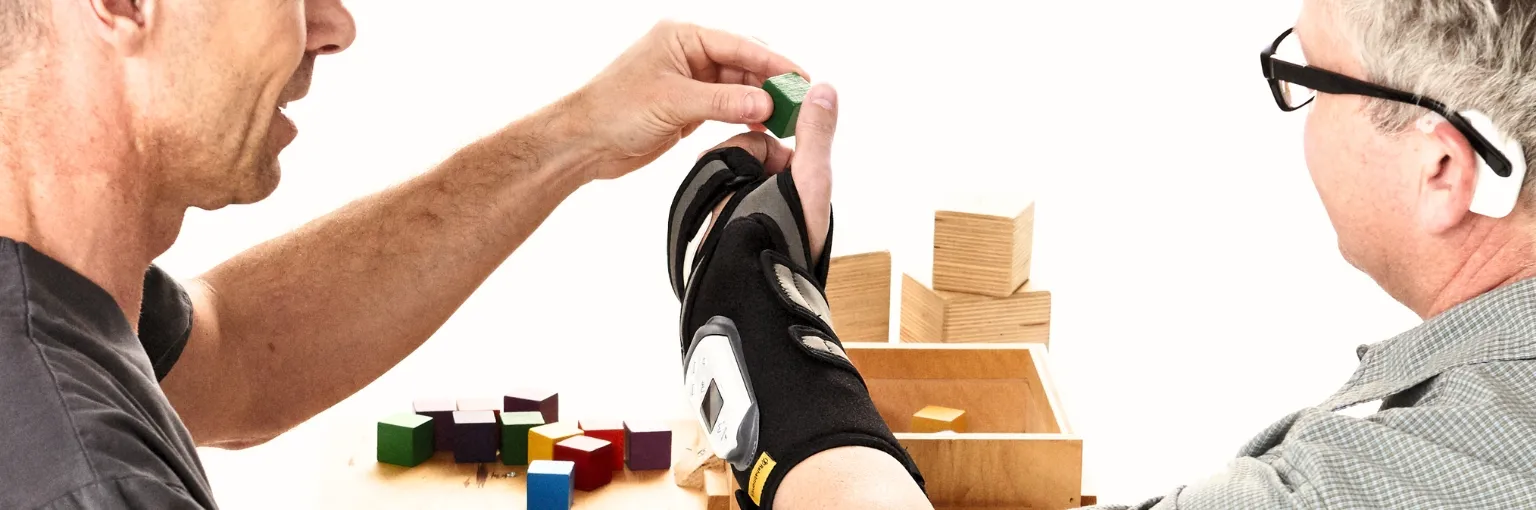
As stroke survivors navigate their recovery journeys, access to innovative technologies like FES can be life-changing. By addressing both the physical symptoms and the underlying neural pathways involved in spasticity, devices like ReGrasp help pave the way to greater independence and improved quality of life. No longer must stroke rehabilitation be limited to clinical visits or passive treatment. Now, recovery can continue at home, one grasp at a time.
For more information on Rehabtronics’ ReGrasp, visit our page now: https://bmec.asia/my/rehabtronics
More Information
Rehabtronics Inc. | https://rehabtronics.com/what-is-spasticity-and-its-effects-on-those-suffering-from-stroke/
Reference:
- What is Spasticity and Its Effects on Those Suffering from Stroke? Retrieved from https://rehabtronics.com/what-is-spasticity-and-its-effects-on-those-suffering-from-stroke/
- ReGrasp Rehabilitation Glove. Retrieved from https://rehabtronics.com/product/regrasp-rehabilitation-glove/
Rehabtronics Inc.