
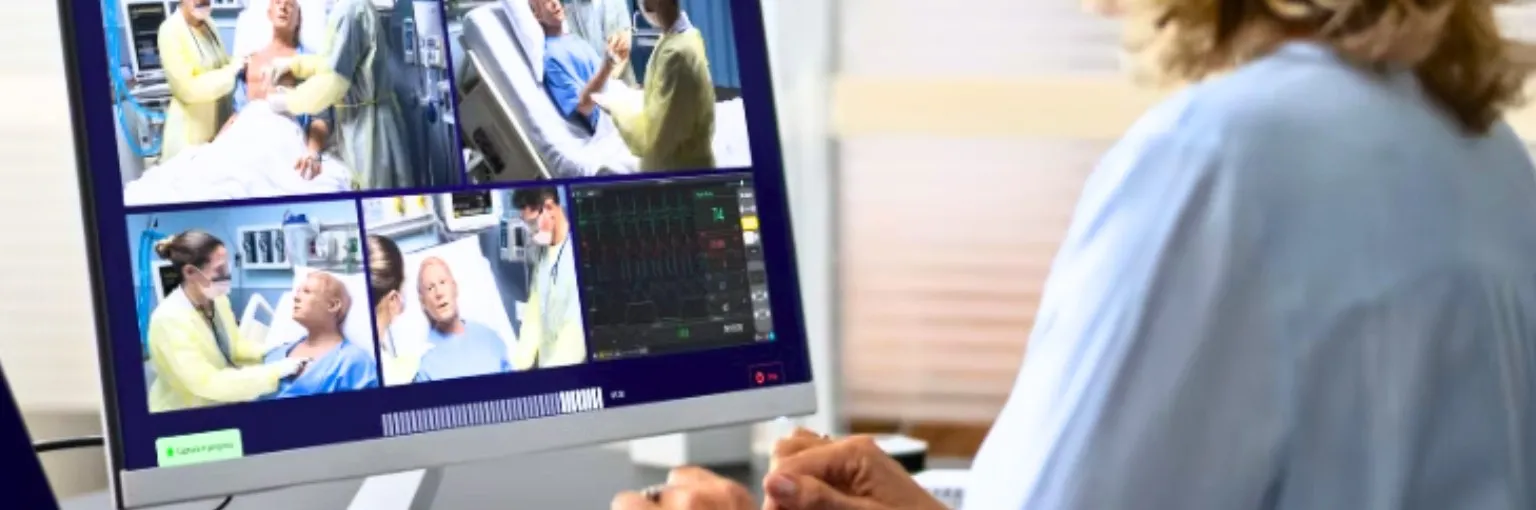
Healthcare simulation gives learners the opportunity to practise clinical scenarios, make decisions and work as a team within a controlled learning environment. However, completing the scenario is only part of the learning experience. What happens afterwards can be equally important.
Why Is Debriefing Essential in Healthcare Simulation?
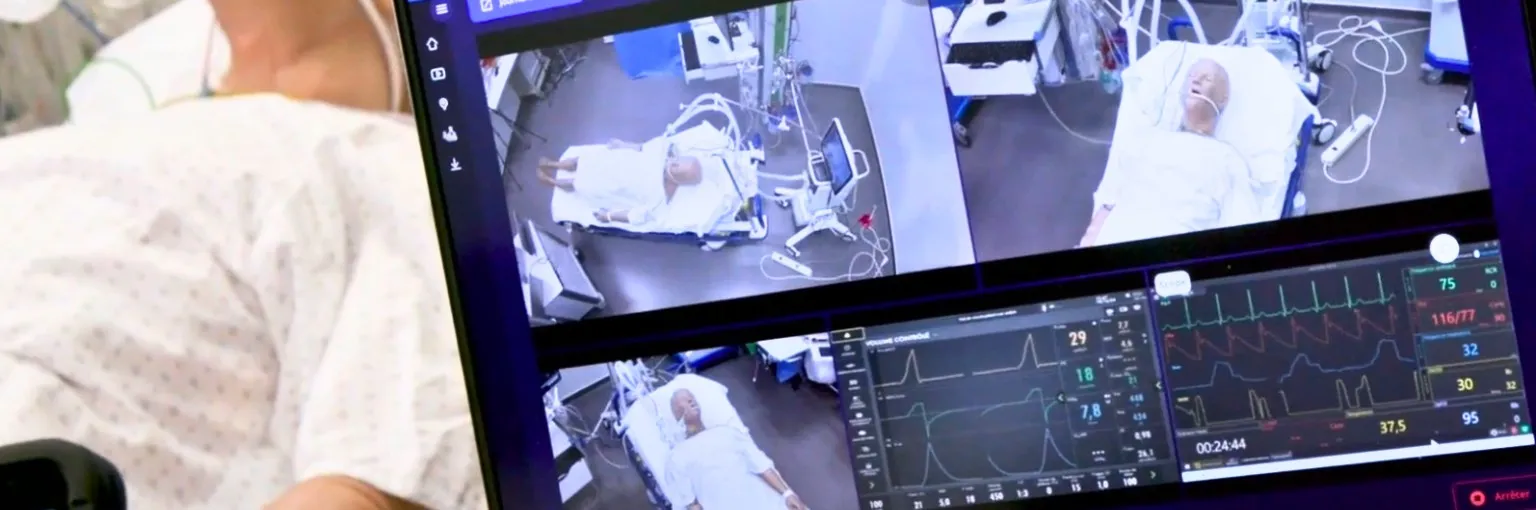
Debriefing is a planned process of discussion, feedback and guided reflection following a simulation experience. Rather than focusing only on whether an action was performed correctly, it encourages learners to examine what happened, why particular decisions were made and how their actions influenced the overall scenario. The International Nursing Association for Clinical Simulation and Learning (INACSL) identifies a planned debriefing process as a standard component of simulation-based educational activities.
This reflective process can help learners connect practical experience with existing knowledge and identify gaps in their understanding. Debriefing can also address areas such as clinical decision-making, communication, teamwork and technical performance. Research reviews have found that structured debriefing based on theoretical frameworks can positively influence learning outcomes, particularly when supported by skilled facilitation.
How Does Reflection Turn Experience into Learning?
During a fast-paced simulation, learners may be focused on responding to the immediate clinical situation, leaving limited opportunity to consider why they acted in a certain way. Debriefing creates dedicated time to revisit those moments. Learners can discuss their reasoning, consider alternative approaches and recognise both effective actions and areas that could be improved.
An effective debriefing should also provide an environment where participants feel comfortable discussing mistakes, uncertainties and different perspectives. INACSL emphasises psychological safety, confidentiality and guided reflection as important aspects of the process. When learners are encouraged to analyse their own and their team’s performance constructively, the simulation becomes more than an isolated exercise, it becomes an opportunity to build insights that can inform future practice.
How Can Technology Support More Effective Debriefing?
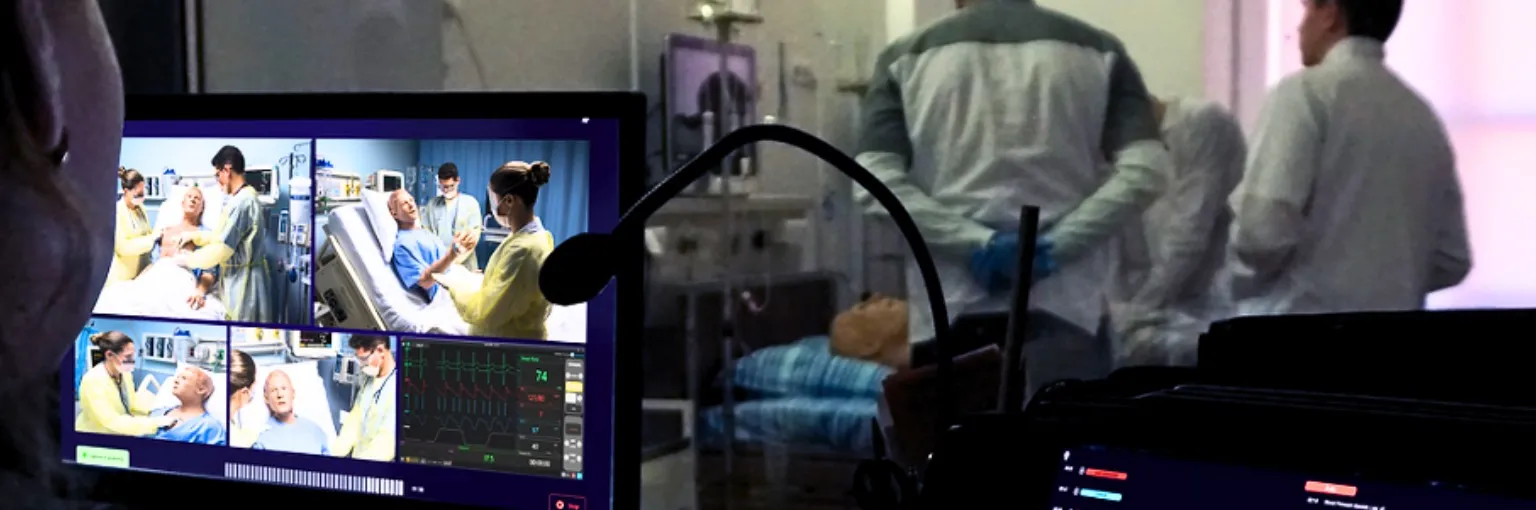
As simulation expands beyond dedicated laboratories into hospitals and other in-situ environments, debriefing technology also needs to accommodate different training settings. Systems that integrate audiovisual recording with scenario information can give facilitators a more complete record of the simulation and provide useful reference points for subsequent discussion.
Healthcare Video Systems’ SimMotion is a web-based audio and video recording and debriefing solution developed specifically for medical simulation. The system can record up to five HD audio/video streams and allows trainers to create scenarios, checklists, annotations and families of markers to highlight important moments during a session. It can also capture patient monitor data and interactions with compatible high-fidelity simulators, while its integration with Gaumard’s UNI software can convert actions performed on compatible manikins into video markers for later review.
More Information
- Healthcare Video Systems. “SimMotion.” Healthcare Video Systems. Accessed 16 September 2026.
SimMotion product page - Healthcare Video Systems. Entem, O. “Why Use Video During a Medical Debriefing and Why Use SimMotion?” 22 March 2024.
Healthcare Video Systems article - INACSL Standards Committee, Decker, S., Alinier, G., Crawford, S. B., Gordon, R. M., Jenkins, D., & Wilson, C. “Healthcare Simulation Standards of Best Practice™: The Debriefing Process.” Clinical Simulation in Nursing, Vol. 58, 2021, pp. 27–32.
- “Healthcare Simulation Standards of Best Practice®.” International Nursing Association for Clinical Simulation and Learning. The current standards identify a planned debriefing process, which may include feedback, debriefing and/or guided reflection, as part of simulation-based educational activities.
INACSL Healthcare Simulation Standards - Decker, S., et al. “The Impact of Simulation Debriefing Process on Learning Outcomes: An Umbrella Review.” Clinical Simulation in Nursing, Vol. 101, 2025, Article 101715. The review found that structured debriefing grounded in theoretical frameworks and/or evidence-based concepts had a positive impact on learning outcomes.
- Cheng, A., et al. “Debriefing Methods for Simulation in Healthcare: A Systematic Review.” Simulation in Healthcare, 2024. The review examined 70 studies on debriefing and feedback interventions and also highlighted continuing gaps in the empirical evidence comparing specific debriefing approaches.
Healthcare Video Systems, BMEC Pte Ltd