

Cardiopulmonary Exercise Testing (CPET) is widely recognised as the gold standard for assessing the integrated function of the cardiovascular, respiratory, and metabolic systems during exercise. Unlike resting assessments, CPET provides dynamic, real-time data on how the body responds to increasing physical demand. By measuring parameters such as oxygen uptake, carbon dioxide production, and ventilation, clinicians gain a comprehensive understanding of a patient’s functional capacity and exercise tolerance.
CPET plays a crucial role in clinical decision-making across a wide range of applications. It is commonly used for preoperative risk assessment, helping clinicians evaluate a patient’s ability to tolerate surgery and identify potential complications. It also supports the diagnosis of unexplained exercise intolerance and differentiates between cardiac, pulmonary, or metabolic limitations. This makes CPET an invaluable tool in both acute and long-term patient management.
Clinical Value of CPET in Rehabilitation & Disease Management
In rehabilitation settings, CPET provides objective data that guides the development of personalised exercise programs. For patients with chronic conditions such as chronic obstructive pulmonary disease (COPD), CPET helps determine safe and effective training intensities, ensuring that rehabilitation is both targeted and efficient. By identifying key thresholds such as the anaerobic threshold, clinicians can prescribe exercise that maximises benefit while minimising risk.
Beyond initial assessment, CPET is also used to monitor progress over time. Repeated testing allows clinicians to evaluate improvements in functional capacity and adjust treatment plans accordingly. This data-driven approach enhances the effectiveness of rehabilitation programs and supports better long-term outcomes for patients with cardiovascular and respiratory conditions.
The Rise of Portable Spiroergometry Systems
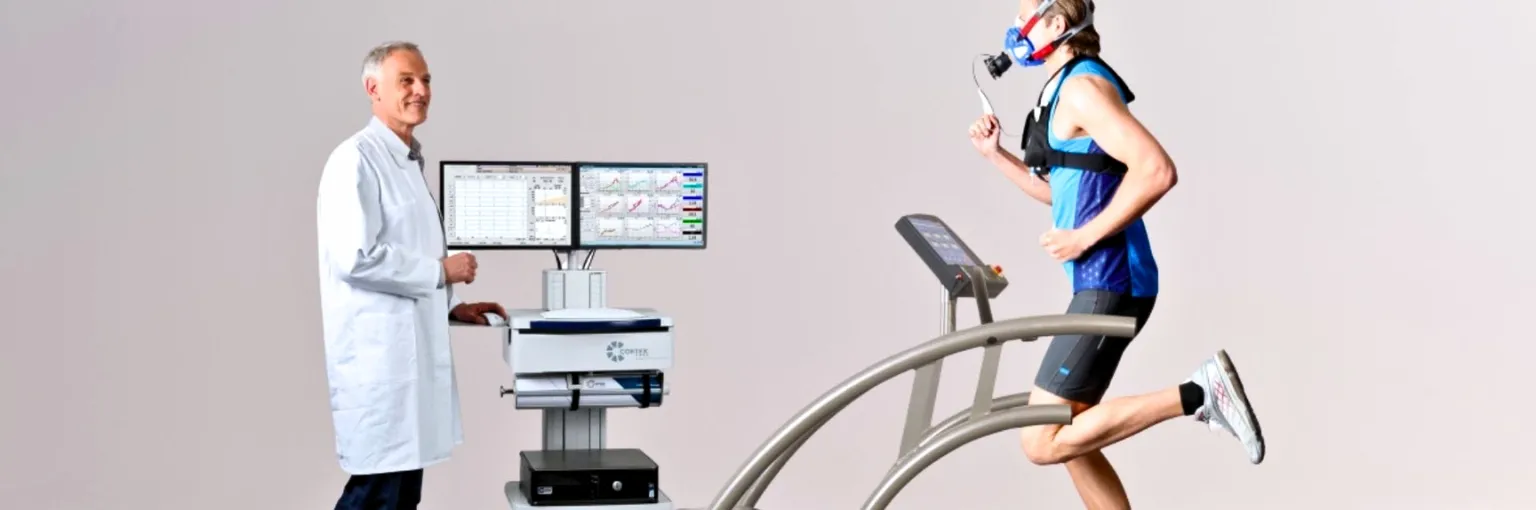
Traditionally, CPET has been performed in controlled laboratory environments using stationary equipment. However, advancements in technology have led to the development of portable spiroergometry systems, enabling testing to be conducted in more flexible and real-world settings. These systems maintain the accuracy and reliability of laboratory-based testing while offering greater convenience and adaptability.
Portable solutions allow clinicians and researchers to perform CPET in various environments, including clinics, rehabilitation centres, and even outdoor settings. This is particularly beneficial for assessing functional performance in conditions that closely resemble a patient’s daily activities or athletic training environment. The ability to conduct assessments beyond the lab expands the scope of CPET and enhances its practical relevance.
These systems also improve workflow efficiency by simplifying setup and reducing the need for complex laboratory infrastructure. With integrated software for data analysis and reporting, clinicians can quickly interpret results and make informed decisions. This combination of mobility, precision, and efficiency makes portable spiroergometry an increasingly valuable tool in both clinical and performance settings.
Advancing CPET with the Cortex METALYZER® 3B
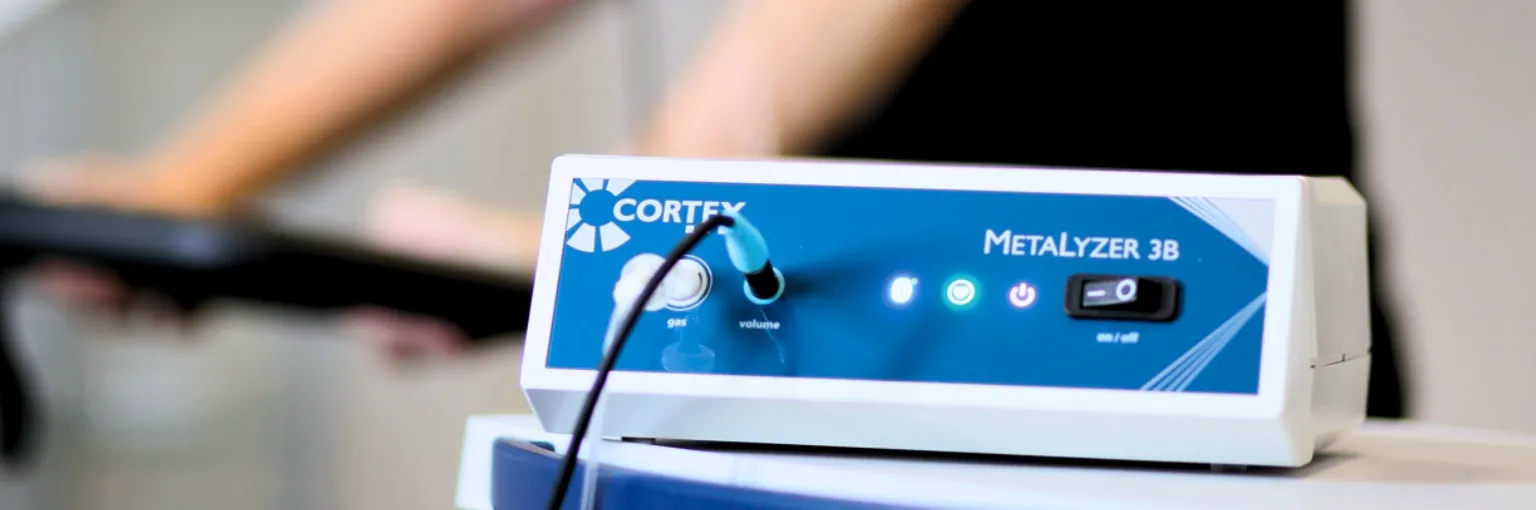
The Cortex METALYZER® 3B is a portable spiroergometry system designed to deliver high-precision cardiopulmonary exercise testing in both laboratory and field environments. Engineered for mobility and accuracy, it allows clinicians to perform CPET across a wide range of applications, from clinical diagnostics to sports performance analysis.
With its lightweight, wearable design and advanced gas analysis technology, the METALYZER® 3B provides reliable real-time data on respiratory and metabolic parameters during exercise. Its flexible configuration supports testing in diverse settings, while integrated software enables efficient data processing and interpretation. By combining portability with clinical-grade accuracy, the METALYZER® 3B enhances the accessibility and effectiveness of CPET, supporting better assessment, training, and patient outcomes. For more information on METALYZER® 3B, visit our page now: https://bmec.asia/my/cortex
More Information
- Cortex Medical. Perioperative Cardiopulmonary Exercise Testing (CPET): Consensus Clinical Guidelines on Indications, Organization, Conduct, and Physiological Interpretation. https://cortex-medical.com/EN/publications/Perioperative-cardiopulmonary-exercise-testing-CPET–consensus-clinical-guidelines-on-indications–organization–conduct–and-physiological-interpretation–437.htm
- Cortex Medical. Perioperative Cardiopulmonary Exercise Testing (CPET): Consensus Clinical Guidelines (Extended). https://cortex-medical.com/EN/publications/Perioperative-cardiopulmonary-exercise-testing-CPET–consensus-clinical-guidelines-on-indications–organization–conduct–and-physiological-interpretation–449.htm
- Cortex Medical. The Role of Cardiopulmonary Exercise Testing (CPET) in Pulmonary Rehabilitation of COPD Patients. https://cortex-medical.com/EN/publications/The-Role-of-Cardiopulmonary-Exercise-Testing-CPET-in-Pulmonary-Rehabilitation-PR-of-Chronic-Obstructive-Pulmonary-Disease-COPD-Patients–431.htm
- Cortex Medical. METALYZER® 3B Product Page. https://cortex-medical.com/EN/METALYZER-3B-en.htm
Cortex Medical, BMEC Pte Ltd